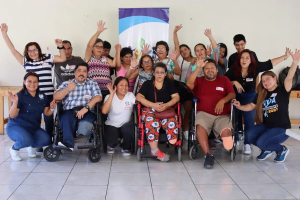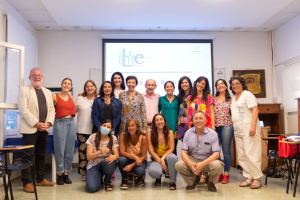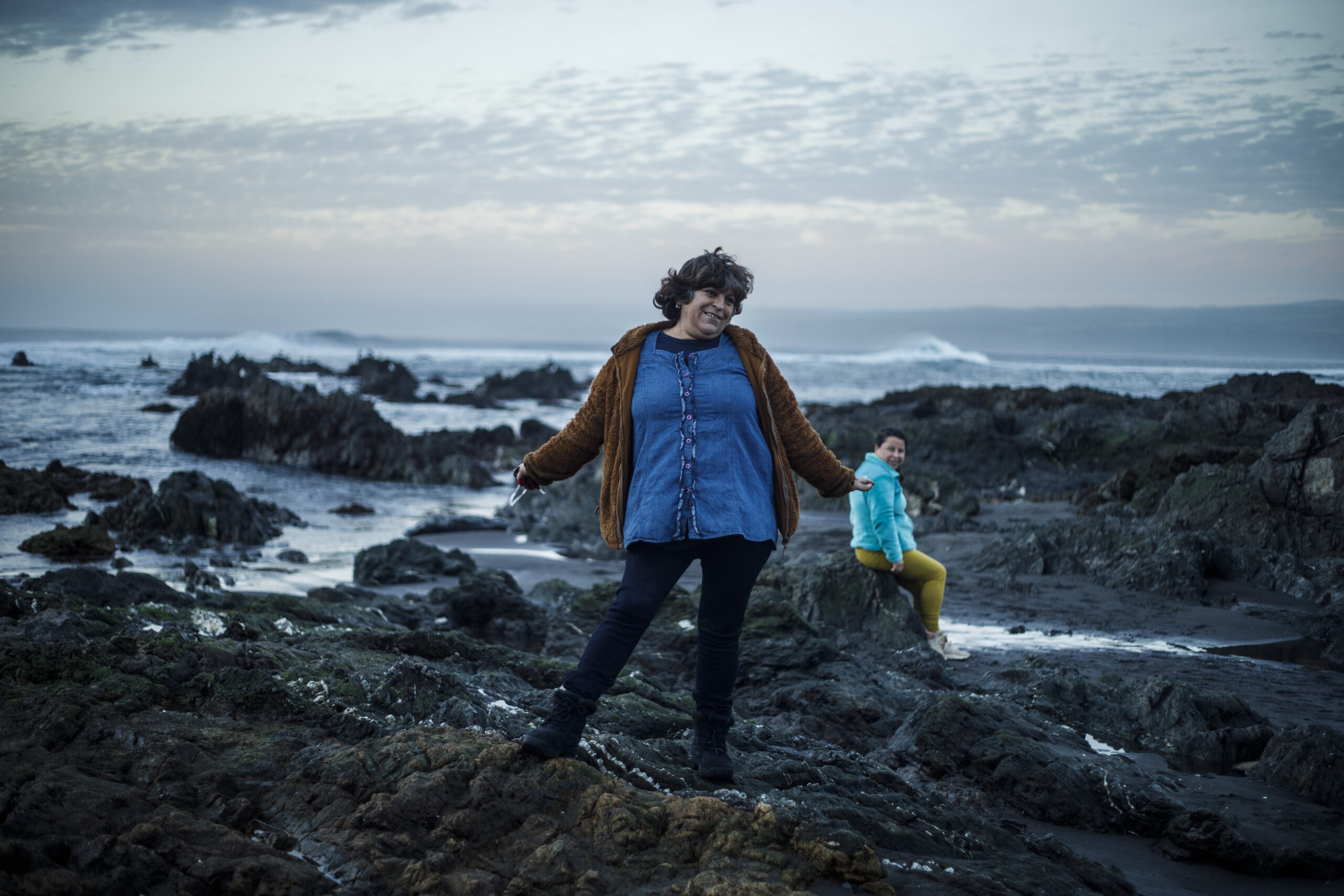
The foundation was established by an interdisciplinary group of professionals with diverse interests who share a commitment to social, inclusive, equitable, and sustainable development. The organisation supports fisherwomen, fish catchers, collectors, shellfish catchers, and seaweed collectors through various actions and initiatives in the regions of the country
By Sandra Barrueto – Images: Paula Farías
Fishing is a very important economic activity in Chile, given its extensive coastline of 6,450 km. However, this activity is faced with the persistent and growing loss of marine biodiversity and the depletion of its resources, significantly impacting small coastal communities, with a particular incidence from a gender perspective.
Women fisherwomen play a fundamental role in the industry, adding value to each product through their experience and dedication to caring for the resources of their coasts. Aware of the importance of the environment, they show respect for the species and their surroundings, which translates into actions such as the reuse of marine resources in a sustainable manner, which favours the preservation of local ecosystems.
Fundación Mujeres de Mar (Women of the Sea Foundation, in Spanish), located in the Valparaíso Region (centre), was created by an interdisciplinary group of professionals with different interests who believe in social, inclusive, equitable, and sustainable development. Its purpose is to be agents of change for the women who work and develop different trades within the maritime environment in which they are immersed, women fisherwomen, shellfish catchers, shellfish collectors, inlayers, cooks, seaweed collectors, and smokehouse workers. They are also marketers, net menders, and fish farmers. Its actions have been developed mainly in Valparaíso and the neighbouring regions of Libertador Bernardo O’Higgins and Maule.
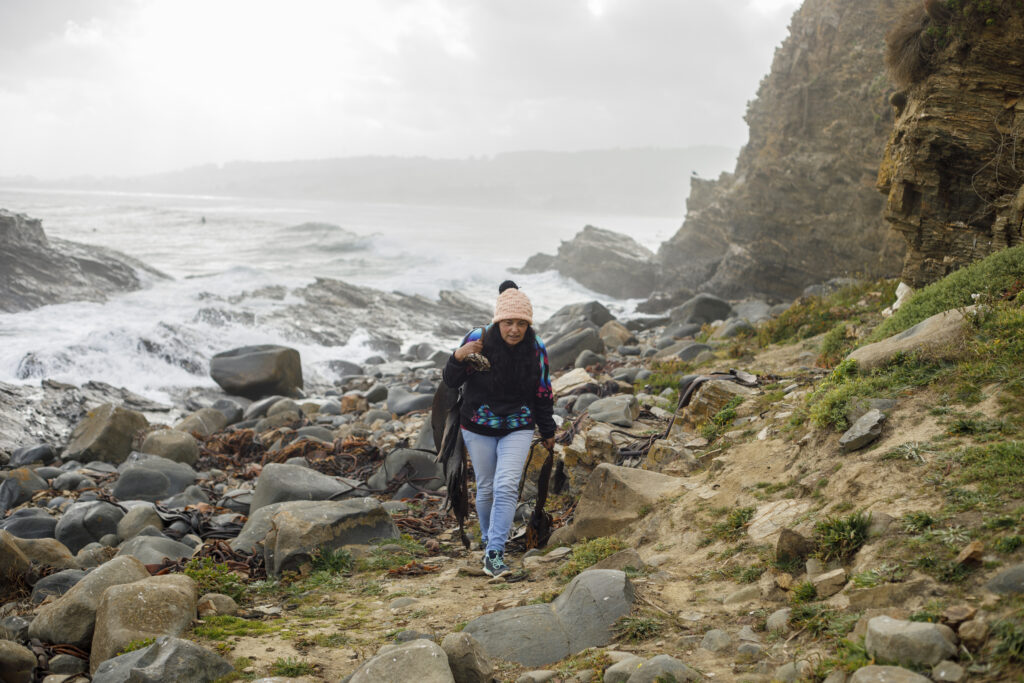
“We are confident that the skills, knowledge, and experience of women of the sea enhance socio-ecological systems, their culture, and sustainable economic development, fostering local economies and the wellbeing of communities. We seek to promote the conservation of biodiversity as well as cultural and historical heritage through the development of projects, work programmes and activities that take into account their needs, strengths and problems,” says project coordinator Ignacia Borgeaud Núñez.
‘We have developed studies and initiatives to make visible the diversity of roles played by these women involved in artisanal fishing in Chile, their knowledge of the marine ecosystem, and the challenges they face in a sector that has historically been dominated by men,’ she adds.
The Food and Agriculture Organisation of the United Nations (FAO) reports that women make up half of the global workforce in the fisheries and aquaculture sector. Despite this significant presence, they occupy only 15 per cent of catching positions, but account for 90 per cent of processing positions.
“Women not only play key roles in the value chain of artisanal fisheries and aquaculture, contributing to the catching, processing, and marketing of resources, but they are also mainly responsible for housework, caring for their families, and raising children. Although their contribution is invaluable, the work of women seafarers in Chile often does not receive the recognition it deserves. That is why, for our foundation, it is essential to make their work visible and give it the place it deserves,” says Magdalena Ceballos, project coordinator.
Most of the catch obtained by women is destined for family food or local sale, in contrast to men’s catch, which is distributed on a larger scale. At the same time, many of them are involved in activities related to the conservation and monitoring of fishery resources, demonstrating their versatility and commitment.

Biocultural heritage protectors
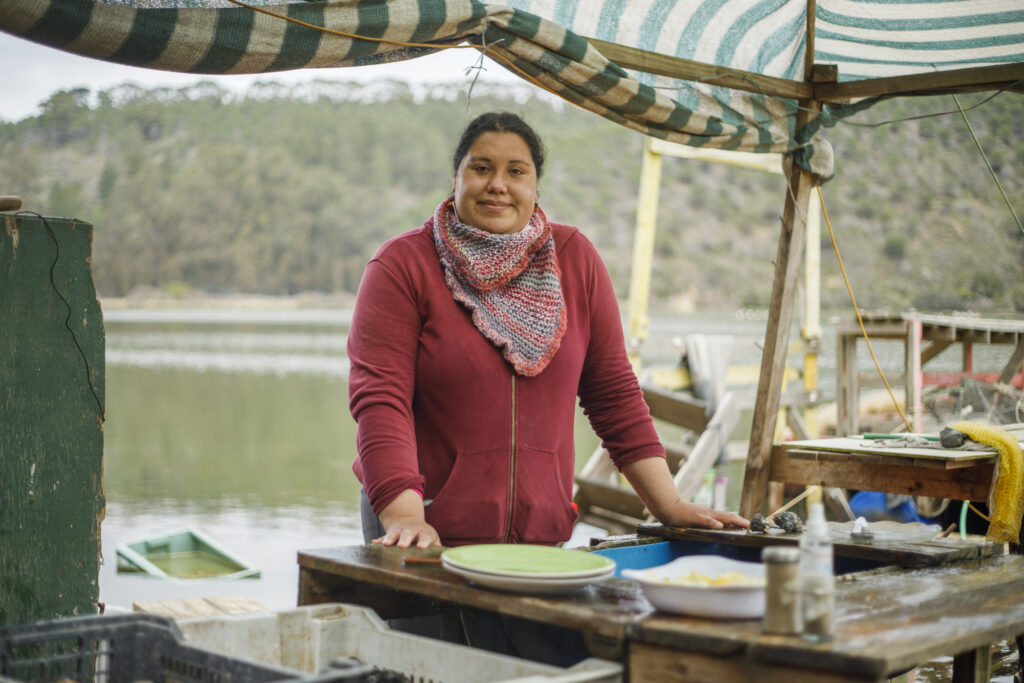
They are not only the creators, but also the protectors of the rich diversity of heritage, knowledge, and territorial identity. They are the active pillar in the transmission of knowledge and socio-ecological practices rooted in the maritorios and their biodiversity. They have taken on the responsibility of transmitting knowledge and traditions associated with fishing and the sea from generation to generation.
Artisanal fishing in Chile not only implies a cultural heritage in terms of techniques and knowledge, such as the use of appropriate nets or knowledge of the optimal areas for extraction, but also represents a living testimony of the collective memory of women and how they transmit this knowledge to their coastal communities. Through practice and oral transmission, they have preserved traditional fishing techniques, demonstrating a harmonious coexistence with the biocultural heritage.
“Although women’s participation in small-scale fisheries and aquaculture is increasingly visible, detailed information on their valuable contribution in these activities is still lacking. This lack of data remains an obstacle to progress both socially and ecologically. It is therefore urgent to implement public policies and laws that promote gender equality and fairness, recognising the fundamental role that women play in these sectors,” says Borgeaud.
These measures are essential to ensure sustainable and equitable management of fisheries resources while supporting the development and sustainability of biocultural heritage in marine territories.
How to support
The work of ‘Mujeres de Mar’ is made possible thanks to donations and institutional alliances. To collaborate, you can contact the foundation on Instagram @mujeresdemarcl or email hola@mujeresdemar.cl