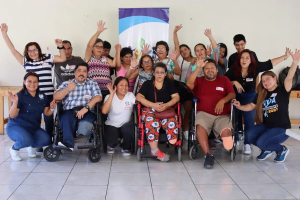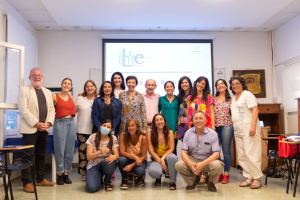
Starting November 10, Belém will host COP30, the United Nations (UN) Climate Conference, and social organizations are already mobilizing to monitor and debate changes that directly impact communities. Lupa do Bem has selected five that are on the front lines—discover them below
By: Julia Paresque and Rebeca Souza
Photo: Fabio Rodrigues-Pozzebom/ Agência Brasil
With less than a month to go before COP30, the United Nations (UN) Climate Conference, expectations are growing for the discussions that will define the next steps on the global climate agenda in Belém (PA).
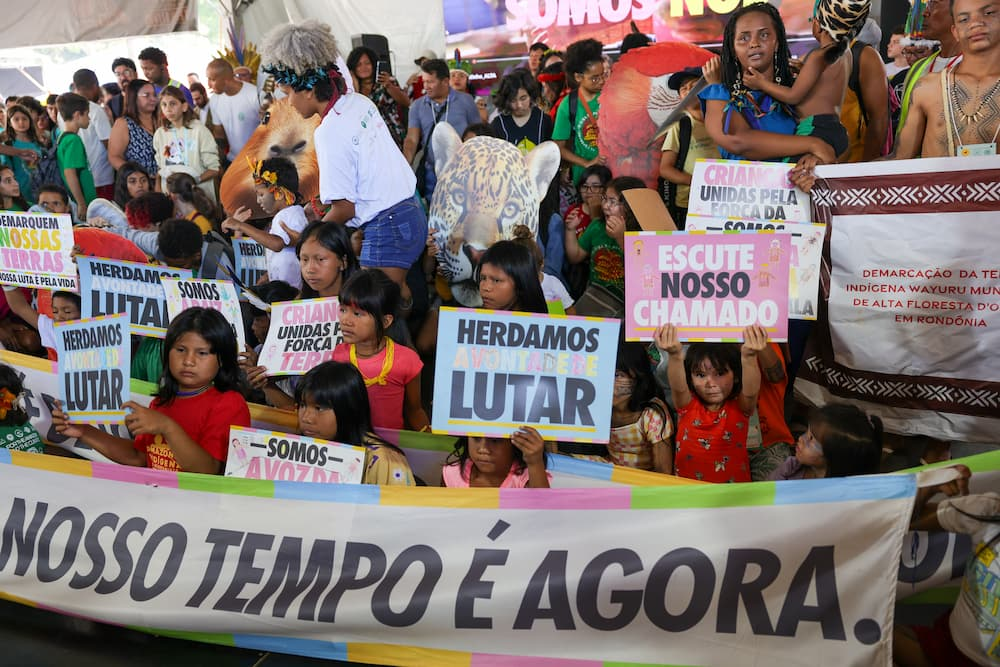
More than governments and political leaders, civil society organizations also play an essential role in the event, bringing the voices of communities to the table and proposing concrete solutions to environmental and social challenges.
However, before that happens, it’s necessary to mobilize and act locally, as the signed commitments need to be put into practice. Therefore, we’ve gathered five initiatives from different Latin American countries that build bridges between social justice and sustainability, central themes of the summit.
GTA Network (Amazon Working Group) – Brazil
The GTA Network (Amazon Working Group) is a social movement founded in 1992, headquartered in Belém, which works to strengthen Amazonian communities through political action and grassroots networking. Its work defends the forest, rivers, and the ways of life of traditional peoples, such as Indigenous peoples, extractivists, quilombolas, riverside communities, and rubber tappers.
One of the Network’s main aims is to affirm that the peoples of the Amazon do not simply want to be represented, but to play the role of true negotiators on issues that affect their territories, such as demarcation, environmental protection, and combating destructive exploitation.
For COP30, GTA is working on climate advocacy, championing the protagonism of communities and local leaders. Preparatory actions include drafting the political charter, “People’s Summit: Towards COP30”, which brings together the demands of social movements in defense of climate and socio-environmental justice. The document will be presented and discussed during the Conference in Belém.
Learn more about The GTA Network: site, Instagram.
Palmares Laboratory-Action – Brazil
Based in Zumbi dos Palmares, a neighborhood on the outskirts of Manaus, Amazonas, Palmares Lab combines research, mobilization, and community action in the areas of social and environmental justice, representation, climate change, technology, the digital economy, income generation, data production, knowledge, and advocacy.
Its executive director, Vitória Pinheiro, attended New York Climate Week 2025 to discuss and develop solutions for the greatest environmental challenges of our time. This is one of the events the organization has been participating in since the beginning of the year to strengthen climate action in Brazil and around the world.
For COP30, Palmares Lab has emphasized the importance of real inclusion of communities in decision-making spaces: that young people from the Amazon periphery, black people, and indigenous people have a voice, not just as symbolic participants, but as active participants. Furthermore, the organization highlights the relevance of issues such as the just energy transition and the development of social technologies by grassroots movements and communities.
Learn more about Palmares Lab: Instagram, LinkedIn.
GFLAC – Mexico
The Climate Finance Pool for Latin America and the Caribbean (GFLAC) is a regional civil society organization officially created in 2012, the result of discussions that began years earlier.
Headquartered in Mexico and operating in several countries in the region, it brings together NGOs, academic institutions, and independent experts around a common goal: to promote a financial architecture in the region aligned with low-carbon and climate-resilient development, in line with the Paris Agreement and the Sustainable Development Goals (SDGs).
Guided by principles such as climate justice, human rights, gender equity, transparency, and accountability, GFLAC has established itself as one of the region’s leading voices in the debate on climate finance.
With a view to COP30, the organization has been mobilizing to defend core commitments such as expanded and equitable access to resources, greater support for adaptation, a fair energy transition, and transparency mechanisms.
The group was also among the signatories of the “Letter from Latin American Civil Society to the Presidency of COP30”, a collective document signed by around 80 organizations in the region that brings together strategic demands to ensure concrete and lasting results from the conference.
Learn more about the GFLAC: Instagram, site.
UMA – Peru
The Peruvian-based NGO UMA promotes environmental education and awareness, strengthening sustainable communities based on three core pillars: community, equity, and the environment. Its work seeks to develop agents of change through sustainable development projects, community climate action, educational campaigns, and environmental workshops.
With an eye on COP30, the organization is already working to highlight the main topics under debate, democratizing knowledge that often remains restricted to specific groups in society and decision-makers.
Learn more about UMA: Instagram, site.
Instituto Internacional Arayara – Brazil
The Institute is a non-profit organization created by a partnership involving scientists, engineers, and environmentalists, focused on promoting social, environmental, cultural, and economic justice.
With around 30 years of existence, they operate through education, science, good public management, and full democratic participation. The organization operates in Brazil, maintains headquarters in Uruguay, and carries out activities throughout Latin and Central America. Its main areas of activity include political activism, social mobilization, environmental education, and advocacy to influence decisions that impact the climate and traditional territories.
For COP30, there are civic engagement initiatives, such as participation in events, forums, and training with youth and traditional communities.
They also monitor climate commitments, highlighting the role of vulnerable groups in these decisions. During the event, they will be at the Amazon Climate Hub, a free and open space for discussions and experience sharing.
Learn more about the Institute: Instagram, site.