Founded by Álvaro Sena Filho, the association turns lived experiences into concrete actions to promote autonomy, health, and belonging among older adults
The Brazilian Association for Support to the Elderly (Associação Brasileira de Apoio à Terceira Idade – Abrati) was born out of a personal story marked by pain, but transformed into purpose. Its founder, Álvaro Sena Filho, was going through a period of depression when he came face-to-face with the harsh reality of children living in extreme vulnerability. That encounter, he recalls, “shook me, because I was depressed for no clear reason. I realized there were people far more fragile than me, and yet they kept moving forward”.
That reality check planted the seed for a larger project. At first, Álvaro created a support center for children undergoing cancer treatment in São Paulo. But financial challenges made it unsustainable. Back in his hometown of Barão de Antonina (SP), while helping his own mother navigate her cellphone, he noticed how technology could be both a barrier—and an opportunity. “That’s when the idea of teaching older adults to use technology came about. And I saw just how transformative that could be”, he says.
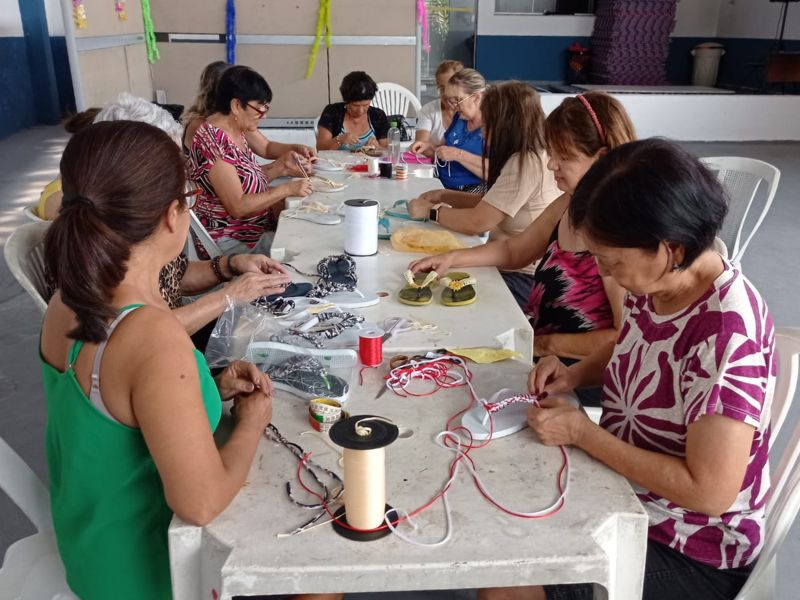
Abrati then took shape as a space for digital inclusion and community support. The first few computers soon gave way to classrooms filled with students, and the association quickly expanded. Computer workshops were joined by painting and English classes, later followed by exercise programs and cultural activities. “People’s happiness is contagious. Just yesterday, a student told me: ‘Álvaro, I was depressed, and these activities helped me so much’. That’s what gives meaning to the project”, he shares.
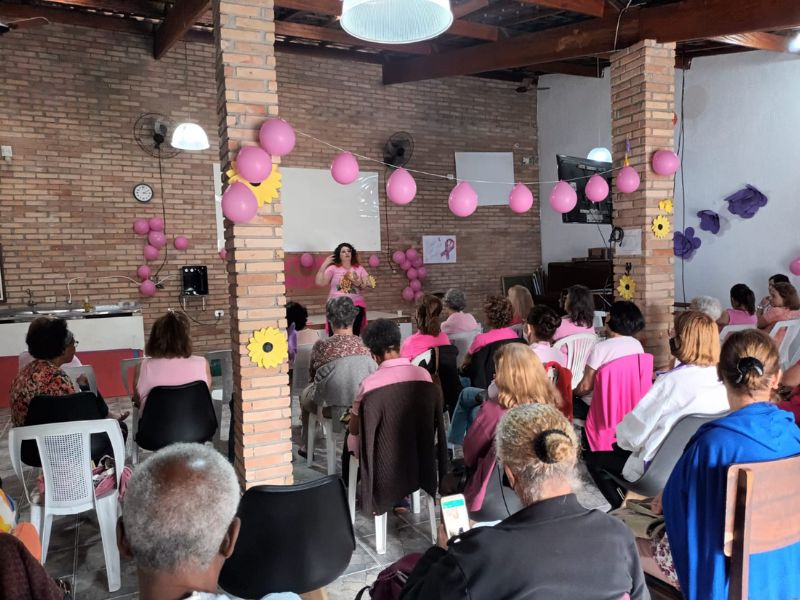
Abrati is built on three fundamental pillars: physical health, emotional health, and spiritual health. For the body, the association offers yoga, Pilates, intergenerational karate, dance, and functional training. Emotional well-being is supported through psychologists, group discussions, theater, choir, and crafts. Spirituality, Álvaro explains, is not tied to religion, but to life’s meaning: “For me, spirituality is about feeling useful, seeing life as something beyond the individual. That’s what brings inner peace”.
The impact is clear in rising self-esteem and strengthened autonomy. Older adults who once arrived withdrawn gain confidence, expand their social circles, and take part in new activities. This transformation also pushes back against ageism, one of the association’s core missions. “Society still sees older people as limited. Our role is to show that aging doesn’t mean losing potential, it means gaining wisdom and contributing in new ways”, says Álvaro.
In 2023, in the wake of the pandemic, Abrati faced one of its toughest financial challenges. Months of debt piled up, and Álvaro himself took on renovation work, injuring his shoulder in the process. But resilience prevailed. “I believe challenges come to make us stronger. Today we serve over 300 people and remain steadfast, despite all difficulties”, he says.
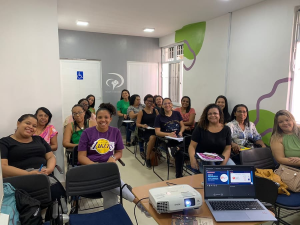
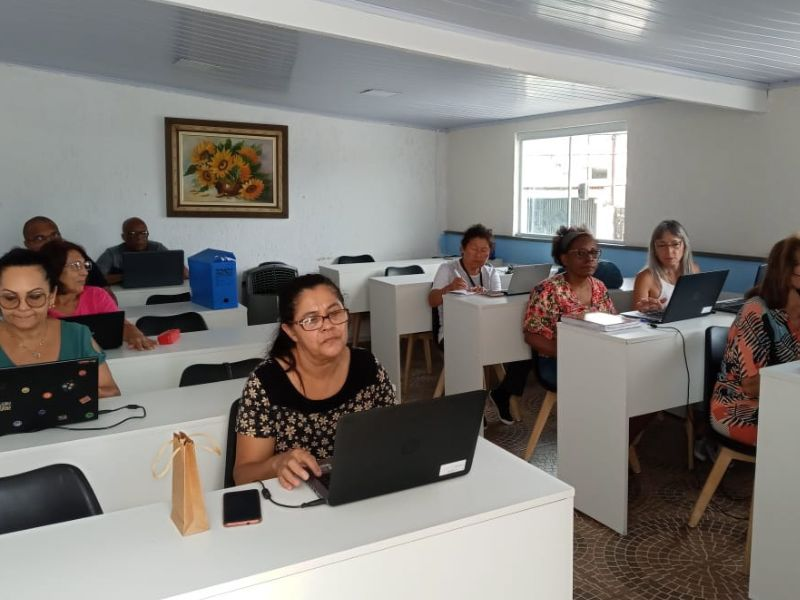
One of the flagship initiatives is the Connectivity Project, which teaches technology to older adults through four modules tailored to different knowledge levels. From basic touchscreen use to apps and online services, the program has become a benchmark in digital inclusion. Abrati also runs sustainability initiatives, including recycling and used-oil collection, to help maintain its facilities.
Another highlight is the Intergenerational Project, bringing together children, youth, and older adults in shared activities. The aim is to break stereotypes and build new connections between generations. “If a child grows up thinking all older people are boring, they’ll carry that prejudice into adulthood. Our role is to show the richness of exchanges between different ages”, Álvaro notes.
Abrati also engages in public policy, joining calls for proposals and forming partnerships with institutions such as São Paulo’s City Hall, Instituto Pinheiros, and universities like São Camilo. The association positions itself as an open network: third-party projects can be hosted and developed within its structure, amplifying diverse social impact initiatives.
With this multifaceted approach, the association not only provides support and workshops but also looks ahead. Brazil’s population is aging rapidly, and by 2030 there will be more older adults than children under 14, according to the IBGE. “If we don’t give older adults autonomy, if we don’t help them reenter the workforce, society won’t be sustainable. The country will rely on the 60+ population, and we need to prepare for that now”, Álvaro warns.
This strategic vision underscores Abrati’s mission: to redefine aging. Instead of loss, the association sees later life as a stage for growth, learning, and social contribution. “For me, Abrati represents healing. It’s not about money, it’s about being useful, creating a positive impact in people’s lives, and finding purpose for your own life”, says the founder.
Today, Álvaro sees his own journey reflected in the transformation he hopes for others. “I started this project when I was 24, and I grew alongside older adults. That did wonders for me. I believe it can do good for anyone. Aging isn’t an ending, it’s another stage. And Abrati exists to show that each stage can be full and meaningful”.
Want to support this cause?
You can help as a volunteer, through financial contributions, or by donating materials. More information can be found on the project’s website and Instagram.