For more than 25 years, this NGO has provided palliative care to people with advanced illnesses in Argentina
By Paula Galinsky
The end of a treatment or the impossibility of curing certain diseases sometimes comes accompanied by phrases like “there’s nothing more to be done.” However, when all options are exhausted, there is still much that can be done. The NGO Pallium Latin America arrives in those moments, with the intention of alleviating physical or emotional suffering through palliative care.
Their charitable home-based palliative care program is celebrating 25 years and is aimed at helping people with advanced illnesses, many of them associated with chronic pain, who wish to remain in their homes and lack the resources to receive this type of care.
The assistance is concentrated in the City of Buenos Aires, while their educational outreach (they conduct in-person and virtual training sessions) extends nationally and regionally, with thousands of professionals trained in palliative care. Although they are based in Argentina, they work in a network with counterparts in Brazil, Colombia, Ecuador, Uruguay, El Salvador, and Mexico.
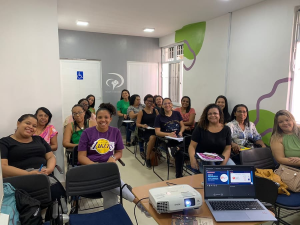
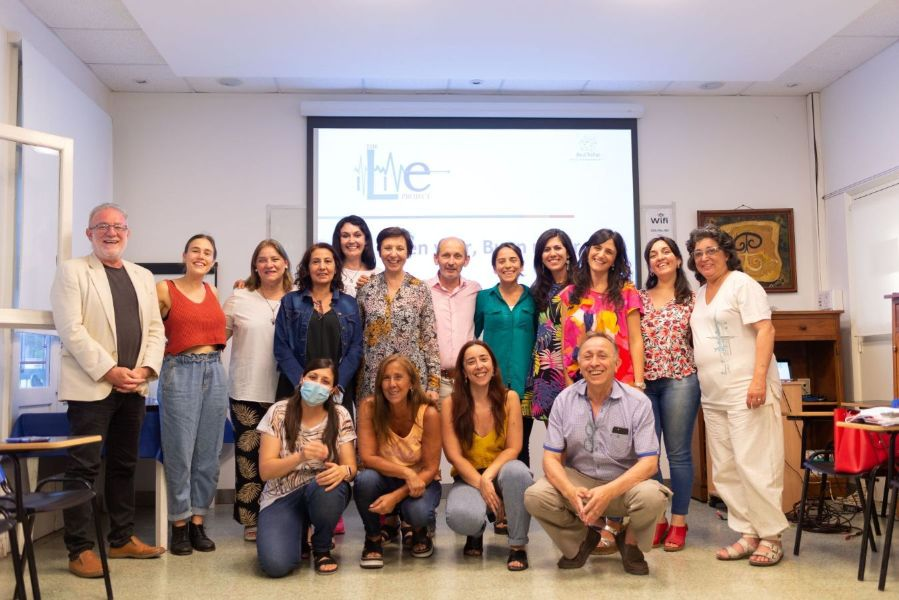
The team includes a staff of doctors, nurses, psychologists, occupational therapists, nutritionists, social workers, and volunteers. “We especially assist those who lack resources, and we do so with an interdisciplinary team,” explains Gustavo De Simone, NGO’s medical director and specialist in palliative medicine.
Relief as a starting point
Seeking to relieve patient pain is one of the main goals of Pallium Latinoamérica’s work. “The most important indicator is the existence of severe suffering associated with the disease, not just the end of life,” De Simone explains.
According to the specialist, the palliative approach is recommended for people with advanced and progressive chronic diseases who are experiencing physical, psychological, relational, or spiritual suffering. “We not only try to calm suffering, but even prevent it,” he notes.
Daily work focuses on frequent symptoms such as pain, insomnia, or respiratory difficulty, promoting pain relief strategies, but also on what is not always visible. “We promote empathetic and honest communication, we accompany fears and concerns, we work on hope and, when possible, care in one’s own home,” adds the doctor.
Care in the first person
In families’ experiences, this support makes a substantial difference. Marta D’Amato, daughter of Mario, who went through colon cancer with liver metastases, recalls the NGO’s support: “Without them, today we wouldn’t have the peace of mind of knowing that my father passed away without suffering, accompanied and supported thanks to palliative care.”
Adriana Caradzoglu, daughter of a patient with pleural mesothelioma who was accompanied between 2007 and 2010, agrees and states that “finding professional and trained people to provide all possible help, including pain relief, gives you strength to feel accompanied and guided along the way.”
In cases of neurodegenerative diseases, the support becomes part of the daily routine. Milagros, wife of a patient with ALS accompanied in 2026, shares: “The NGO provided me with a doctor and a nurse who specialize in palliative care. They are a great support for me; they guide me in everything I do in caring for my husband.”
Challenges and pending rights
Despite legal advances in the country, access to palliative care remains unequal. “There is a law, and having it is a great advance, but implementation faces major challenges. Most palliative care services are concentrated in large urban centers, leaving much of the rural population and smaller localities without access,” warns Carlos Arriagada Bustos, coordinator of the NGO’s Palliative Care assistance team and specialist in Family Medicine.
Among the barriers, he lists the lack of trained professionals, limited resources, and cultural resistance to talking about death. “This combination means that many patients with chronic pain miss the opportunity to improve their quality of life for months or years,” he states.
For the doctor, “we must leave behind the idea of saving lives at any cost and embrace that of living with dignity until the end,” he maintains.
How to help Pallium Latinoamérica
Pallium Latin America sustains its work through donations and community support. Those wishing to collaborate or obtain information can visit their website or write to palliumadm@gmail.com.
The organization also receives inquiries from volunteers with prior training and promotes sponsorship systems to strengthen assistance to people in vulnerable situations.