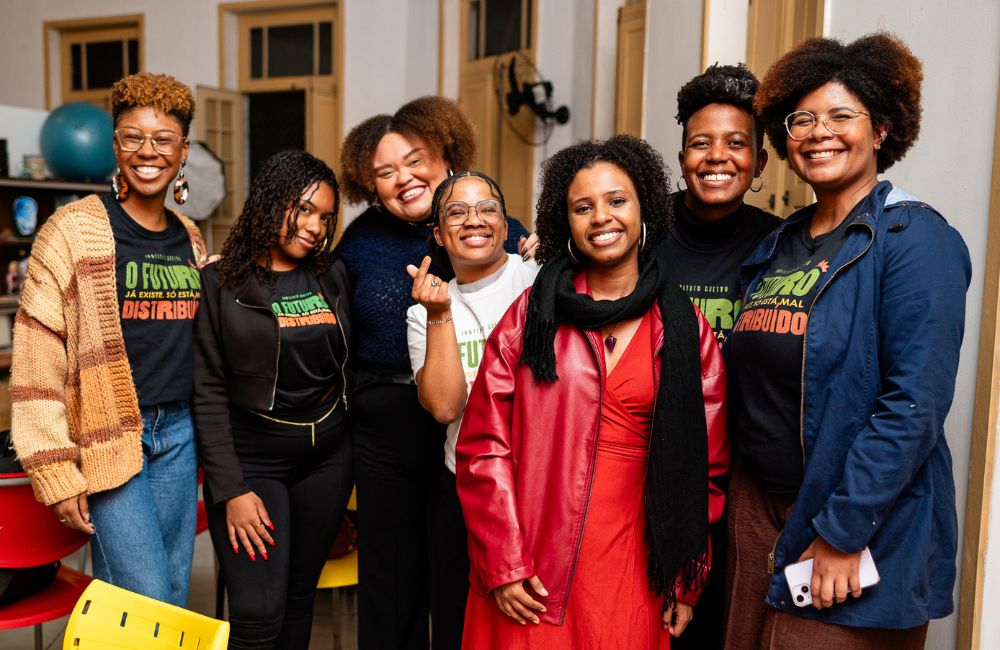
Established to expand access to education and the job market for black and indigenous people, the GUETTO Institute relies on training, technology, and support networks as tools for structural transformation.
The GUETTO Institute was founded with the purpose of democratizing access to education, employment, and technology for black and indigenous people. The name “GUETTO” is an acronym for Gestão Urbana de Empreendedorismo, Trabalho e Tecnologia Organizada (Urban Management of Entrepreneurship, Work, and Organized Technology in English). “The idea was to bring together key words that reflected the dynamics of what we wanted to build. Work, for instance, is a constitutional right, and for us, black people, it is central”, explained Vitor Del Rey, president and executive director.
The first major initiative was Ponte para PretXs, launched in 2016 as a Facebook group. “I was studying at FGV (Getúlio Vargas Foundation) and noticed that my friends didn’t have access to the same opportunities I did. I created the group to share information, and it quickly grew”, Vitor recounted. In 2019, the project evolved into a school, supported by institutions such as FGV and Ibmec, offering in-person courses across various fields.

With the pandemic, the school transitioned to an online format. “From 350 in-person students, we expanded to serve learners from all states, reaching more than 10 thousand people”, highlighted Aimê Araujo, the administrative and financial manager. Among the most sought-after courses are language programs, considered the flagship, and short-term technology courses that provide rapid entry into the job market. “Language courses are the most competitive, but technology programs deliver immediate impact”, Aimê emphasized.
In recent years, the organization has also begun including indigenous peoples in its initiatives. “We reserve specific spots for indigenous students and conduct research focused on their realities. In addition, whenever we work with the Ministry of Education or state departments, we bring forward not only Law 10.639, which addresses afro-brazilian culture, but also Law 11.645, which mandates the teaching of Indigenous culture in schools”, explained Aimê.
Another highlight is Ponte Conecta, a program that connects GUETTO graduates with real job opportunities. “Our goal isn’t just to train people, but to include them productively”, stated Aimê. According to Vitor, many companies approach the institute already committed to diversity or seeking support to develop inclusive policies. “When we discover that a company has no black employees on staff, we guide them to prepare the environment before opening positions. Hiring alone isn’t enough; sustaining the change is essential”, he added.
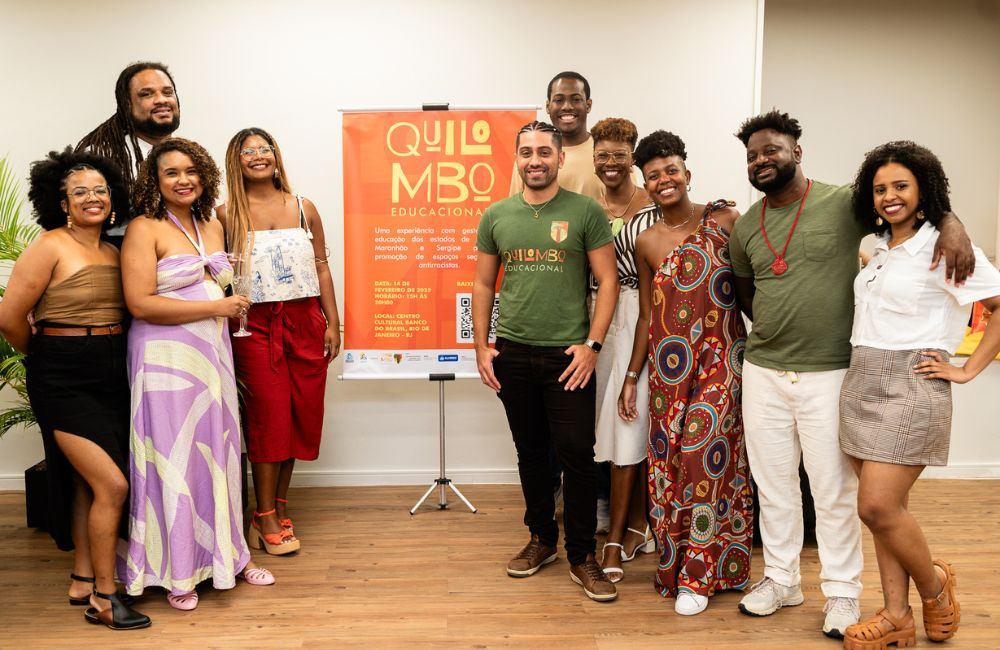
Barriers, however, persist. “There are still requirements for degrees from certain universities, impersonal selection processes, and, of course, unconscious biases. Racism permeates interviews, leading to unfair evaluations of Black candidates”, said Vitor. Aimê emphasized another point: “Many students don’t feel confident enough to apply, even when they meet nearly all the job requirements. This self-confidence also needs to be developed”.
For this reason, the institute focuses on so-called power skills, formerly known as soft skills. “It’s not enough to learn English or Excel; you need confidence to speak in public, resilience in the workplace, and emotional intelligence”, explained Aimê. “We encourage students to follow this path because it will help them in interviews and in their day-to-day professional life”.
Among recent projects are Mapa Preto da Educação (Black Education Map), an interactive platform that compiles data on educational inequalities in Brazil, and Projeto Sementes (Seeds Project), which supports the institutional strengthening of 20 other social organizations in Rio de Janeiro. There is also the Cenários 2050 initiative, which brings together leaders to envision possible futures for the Black population.
With thousands of students impacted, partnerships with major companies, and projects that combine education, technology, and employability, the GUETTO Institute has established itself as a national reference in inclusion. “We can’t control all the variables — and the main one remains racism — but we do everything we can to ensure each student is in the best position to seize opportunities”, concluded Vitor.