Founded in 2013, the organization has evolved from charitable aid to sustainable projects that strengthen semi-arid communities
Milagre Sertão was founded in 2013, at the height of a period of severe drought in Brazil’s Northeast, when the reality of the semi-arid region took on new meanings before the eyes of a generation that had not yet experienced the extreme effects of drought firsthand. The initiative began with a simple request: to collect bottles of water for donation, which ultimately became the spark for something much bigger. “That was the first time we were able to observe the effects of the drought in real time, something we had always heard about but never witnessed”, recalls Rodrigo Bittencourt, co-founder and current president of the NGO.
The original initiator, Pedro Ramos, gathered friends willing to take action after being left with donations that were not collected by those who had requested them. From that spontaneous impulse, the group began planning its first effort to deliver water and food baskets. The meetings, however, quickly revealed that the desire to help went beyond emergency relief. “We started to see other opportunities and realized it was possible to expand the project’s reach”, says Rodrigo. Shortly thereafter, they were formally established as an NGO.
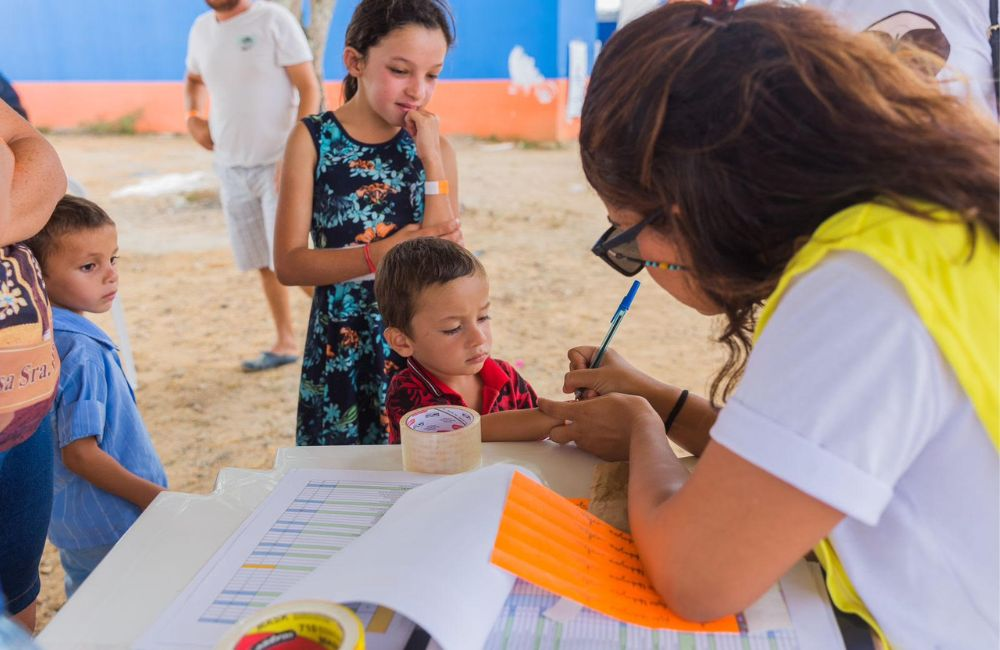
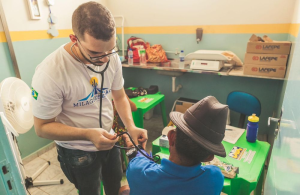
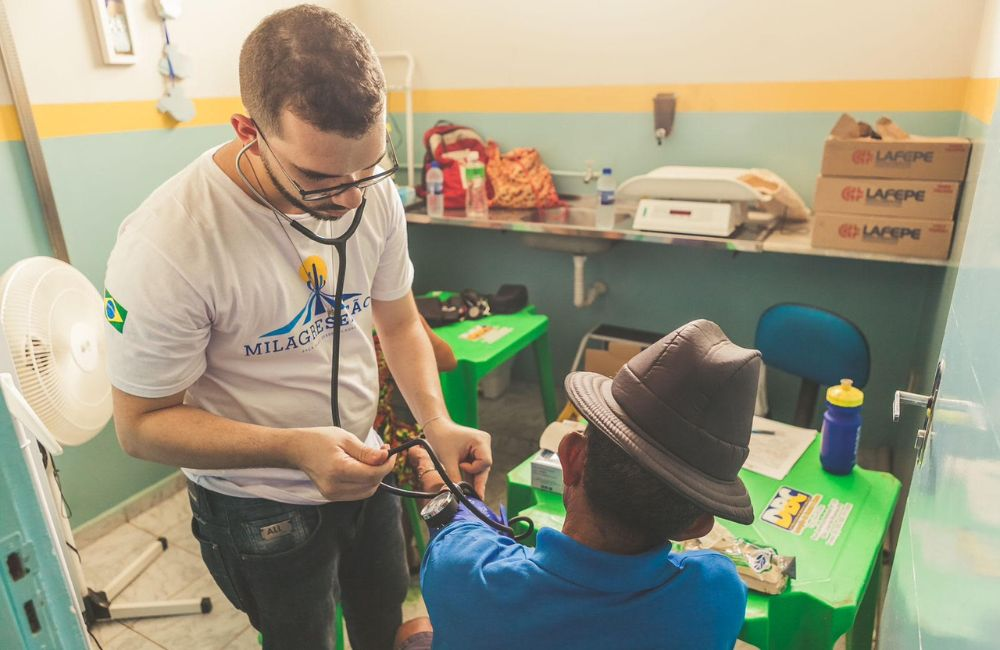
Early activities were itinerant and assistance-based, combining the distribution of donations with basic services such as medical care and legal assistance. Over the years, visits reached more than 20 cities in Paraíba and two in Pernambuco, always tailored to the specific needs of each community.
This frequent contact enabled the NGO to build deep ties and accumulate the experience needed to take the next step. “We always had the idea of delivering something with greater impact, but we didn’t yet have the credibility, knowledge, or team for that”, explains Ramos.
The transition to a long-term impact model happened gradually. Courses and workshops offered during the itinerant actions, such as entrepreneurship, cactus cultivation, and handicrafts, served as a testing ground. By observing what truly generated results, the team began to structure a more robust approach.

The first attempt took place in Monteiro, but the distance made continuous follow-up difficult. The turning point came years later in the community of Serrote Baixo, in Algodão de Jandaíra, where the NGO had previously worked. “They preserved everything we had built there, from the little square to other improvements. We saw the potential”.
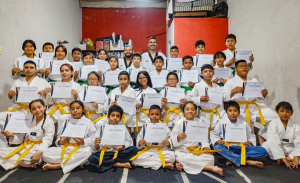
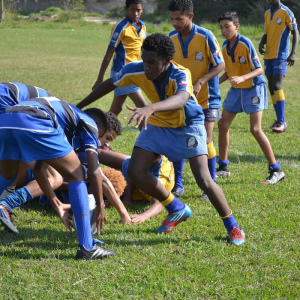
Since then, Milagre Sertão has operated with a methodology based on three pillars: education, health, and infrastructure. In education, vocational courses have gained momentum — barbering, sewing, confectionery, and an entrepreneurship program in partnership with Fundação Dom Cabral. The organization is also beginning to develop civic education activities for children and youth, with plans to expand into tutoring and other educational initiatives.
In health, the focus is on dental care, after the NGO identified that the community already has regular medical services provided by the public sector. In infrastructure, social technologies come into play: drilling wells, building cisterns, agroecological septic systems, and water treatment solutions. Some of these were developed in partnership with universities and companies. “We look for simple, low-cost technologies that people can use and maintain independently”, says Rodrigo.
A striking example is a solar-powered water treatment system developed with Aqualuce, initially implemented in Monteiro. There is also a desalination unit designed to make the brackish water common in the region potable, as well as two new initiatives carried out with the Federal University of Paraíba: agroecological septic systems, which combine sanitation with food production, and an aquaponics system that integrates fish farming with vegetable cultivation using very little water. “It’s food security, income generation, and autonomy”, he sums up.
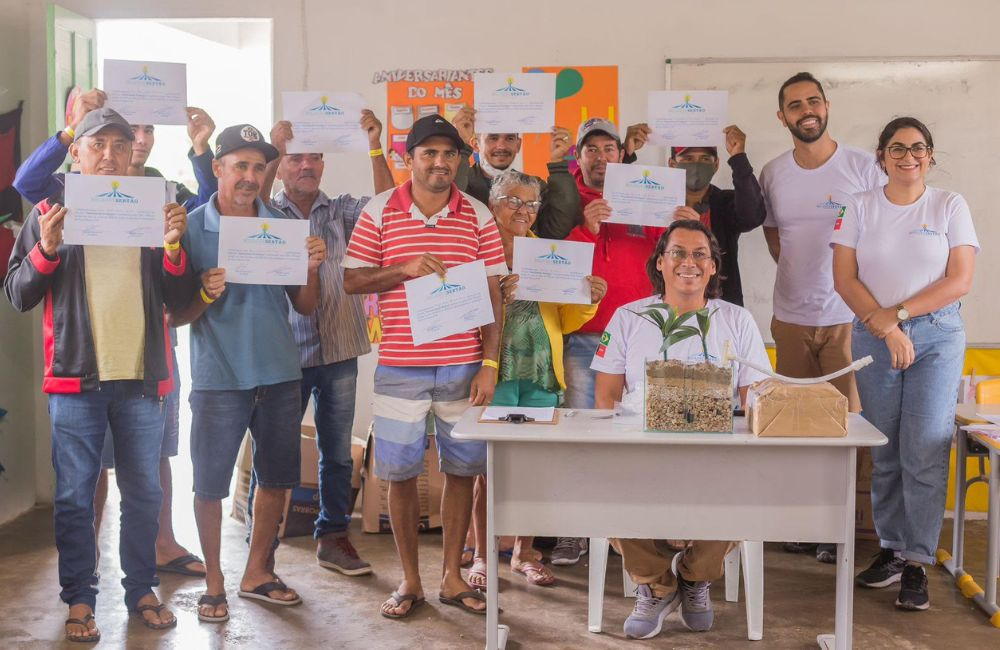
The impact is already visible. Families in the assisted community have begun to launch small businesses based on skills acquired through the courses, selling dish towels, savory snacks, cakes, and other products. For Rodrigo, however, the greatest outcome goes beyond the numbers. “I think the biggest impact is the hope we bring. They realize there are opportunities, that the world isn’t limited to their community. That’s what stands out most for us”.
Lessons learned over more than a decade have also shaped how the NGO engages with territories. One of them, Rodrigo says, was understanding that the solution envisioned by the team is not always what makes sense for residents. “We project our needs onto them, but realities vary greatly, even within the same state. That’s why today we start by listening, understanding, and getting to know the community. It’s essential for projects to gain traction”.
For those interested in supporting Milagre Sertão, there are several ways to get involved. The NGO launches semiannual calls for volunteers but also welcomes interested participants year-round. There is also the option to become a monthly supporter through plans available on the website, in addition to donations via Pix and targeted campaigns. “Just reach out via Instagram, email, or the website. We’ll talk and guide you on the best way to participate”, Rodrigo invites.
How to contribute?
On the official website, you can choose to become a monthly donor through subscription plans ranging from R$ 30.00 to R$ 200.00. In addition to continuously supporting the project, recurring donors receive benefits such as semi-annual transparency reports, discount coupons at the “Miracle Shop,” and participation in exclusive raffles.
For those who prefer to make one-off, quick contributions, the organization offers the PIX system through CNPJ 17.803.943/0001-55. It is also possible to make deposits directly into the Caixa Econômica Federal savings account (Agency 0904, Op. 013, Account 25465-3) or use credit cards and bank slips through online payment platforms, facilitating national and international donations of any amount.
In addition to direct financial contributions, it is possible to help by purchasing specific products, such as basic food baskets or hygiene kits, whose prices are detailed on the portal. All proceeds go entirely to the NGO’s activities, which seek to promote sustainable development and empower underserved communities in the interior of Paraíba.