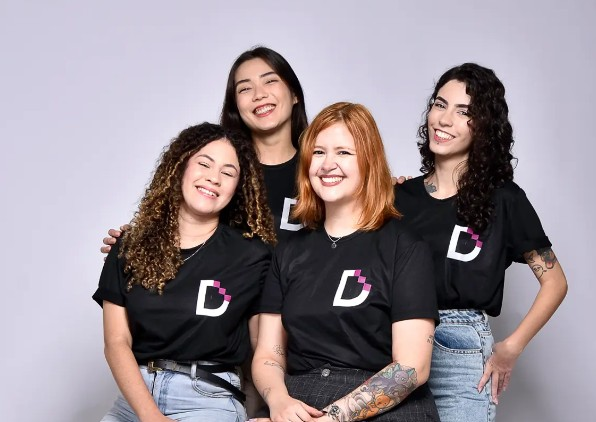
Created in 2017 as a graduation project, Developer Girls has become a national community that connects, inspires and empowers women in technology
The story of Developer Girls began in a classroom at the Federal Institute in 2017. At the time, Laís Matie Hara and her classmates were attending a technical high school program when they noticed something that bothered them: the lack of female teachers and role models in the tech field. “We were already part of robotics teams, and ours was the only all-women group in the entire state,” Hara recalls. “That caught our attention and became the starting point for our research on women in technology.”
The project began as a final graduation assignment, but soon outgrew the walls of the school. The students created social media pages to share discoveries and insights on the topic. “In 2018, we presented our thesis, got top marks and launched a website to compile all our research. After that, we kept participating in science fairs and producing content about women in tech” says Hara.
Recognition soon turned into opportunity. In 2021, the founders landed their first jobs in the tech industry, largely thanks to the visibility the project had created. “Our social media pages had been active since 2017, so we kept building on that. Even through ups and downs, we secured a partnership that opened the doors to the job market for us,” she explains.
From there, the group began to expand. In 2022, Developer Girls broadened its scope beyond programming to include all areas of technology. “That’s when we realized there was so much more beyond software development. We diversified our content and started maintaining a stronger presence on social media,” Hara says.
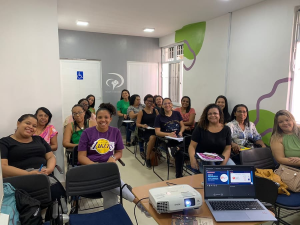
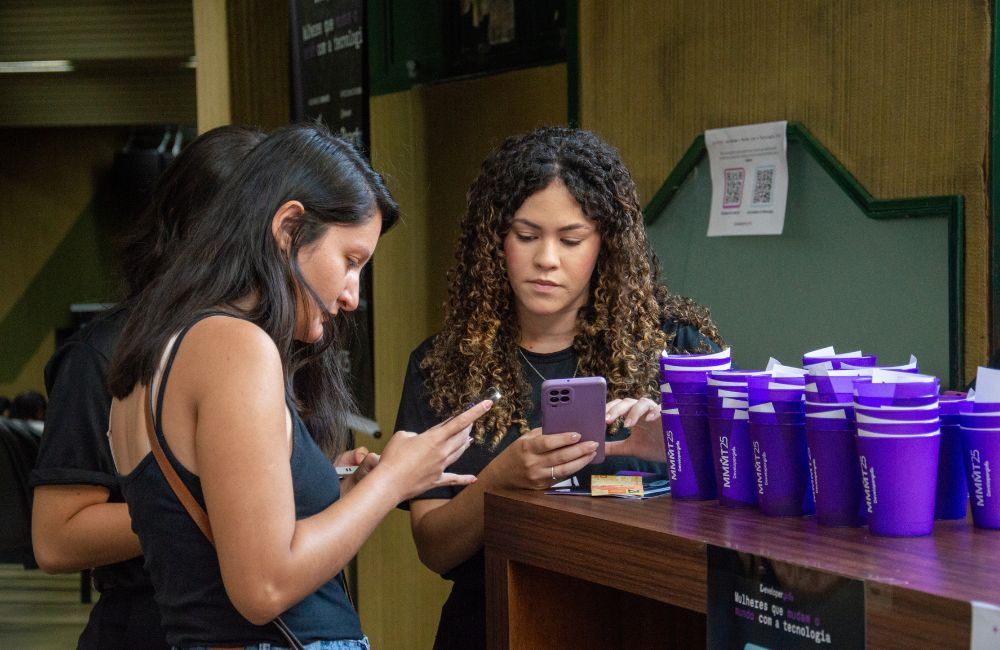
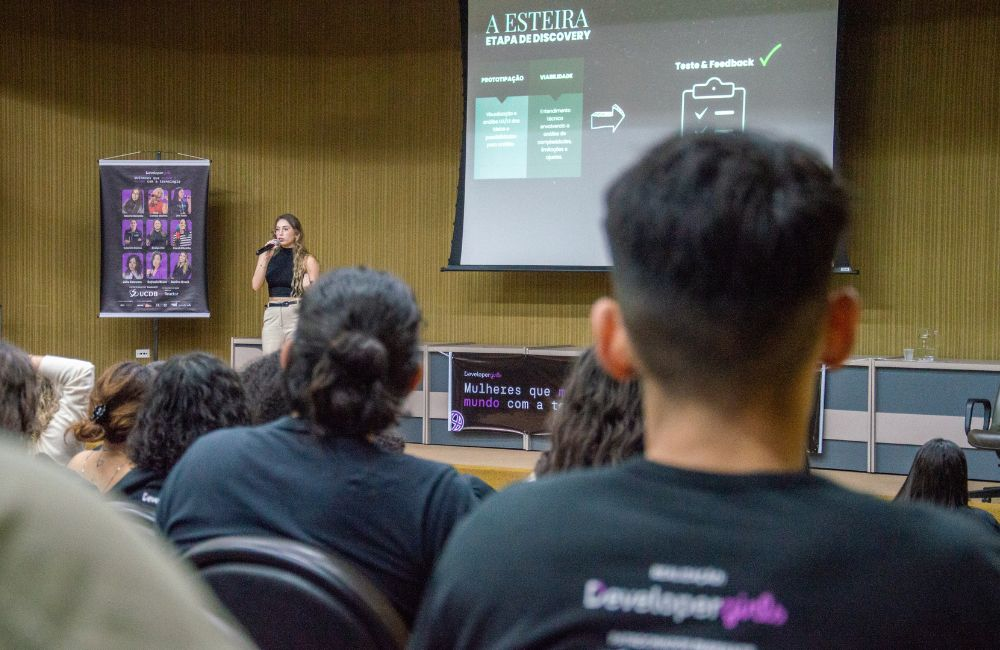
A year later, the project took a major leap by hosting the first edition of the event “Women changing the world with technology”, in the city of Campo Grande (MS). The idea was to bring together women from across Brazil to share experiences and inspire others. “We’re not big fans of labels, you know? We don’t want to exclude anyone. So it’s an event with women speakers, but it’s open to everyone,” says Laís.
The event’s success inspired the group to formalize its operations. “In 2024, we held the second edition and saw that it had doubled in size. That’s when we decided to register the company officially so we could secure sponsorships and partnerships with larger organizations,” she explains. Choosing the startup model rather than a nonprofit was a strategic decision. “It was simpler for what we needed at that stage and gave us more freedom to create new products.”
Today, Developer Girls has an active community of around 400 members on WhatsApp and eight ambassadors spread across different regions of Brazil. “We want these ambassadors to engage their local communities, become role models in their states and help strengthen connections among women,” says Hara.
Among the many lessons learned since its inception, one of the most striking came from their own research. “We found that many women enter tech out of curiosity, while men often do so with a clear career goal. Women stumble upon it by chance, which makes the journey harder. But realizing that gave us comfort and showed us we weren’t alone.”
The group’s annual event has become its main milestone. With three editions held so far, the latest in April 2024, the gathering has featured 29 women speakers and drawn participants from all over the country. “I think what matters most is bringing major industry figures to a state like Mato Grosso do Sul, which isn’t exactly known as a tech hub. That has a huge impact,” Laís notes.
Now, the group is looking toward the future with new projects and goals. One of them is an e-book with career, résumé and interview tips, available on the Hotmart platform. “It’s a guide we built from our own experiences and the conversations we’ve had with women in tech,” she explains. Another project in development is a mentorship platform aimed at connecting professionals and providing support to low-income groups.
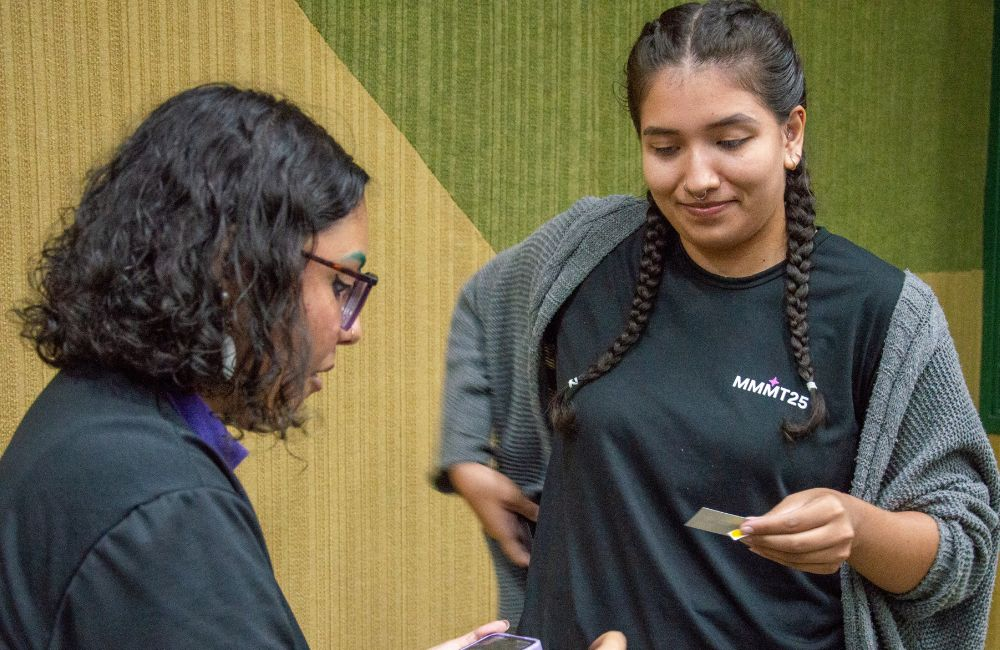
For Laís, the biggest challenges remain ensuring diversity within the community and supporting women’s emotional well-being in the industry. “It’s important to be part of communities, to find people going through the same things, and to strengthen your emotional intelligence. Knowing who you are, and believing you’re good enough to be there, makes all the difference.”
Looking ahead, she envisions a future of consolidation and measurable impact. “Our goal is to have a solid data foundation and become a national reference in tech inclusion by 2030,” she says. “Right now, we want to maintain our legal status, launch products that sustain the initiative and keep growing with purpose.”