Founded in December 2019, the GOA Institute — Environmental Operations Group — trains volunteers, strengthens women’s leadership and works to prevent wildfires, restore the environment and protect Indigenous communities
It all began in 2018, when a large wildfire swept through the Santana Indigenous Territory, also known as Santana Bakairi, in the Brazilian state of Mato Grosso. The tragedy highlighted the need to prepare the communities themselves to respond more quickly and safely to environmental emergencies.
This led to the creation of the Environmental Operations Group (GOA), a nonprofit organization founded by Paulo Selva, a retired colonel from the Mato Grosso Military Fire Department. The organization began training volunteer environmental agents and remote communities in fire prevention, firefighting, and environmental restoration.
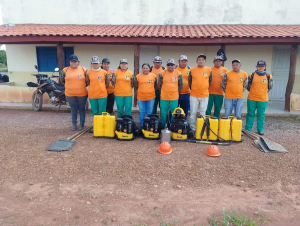
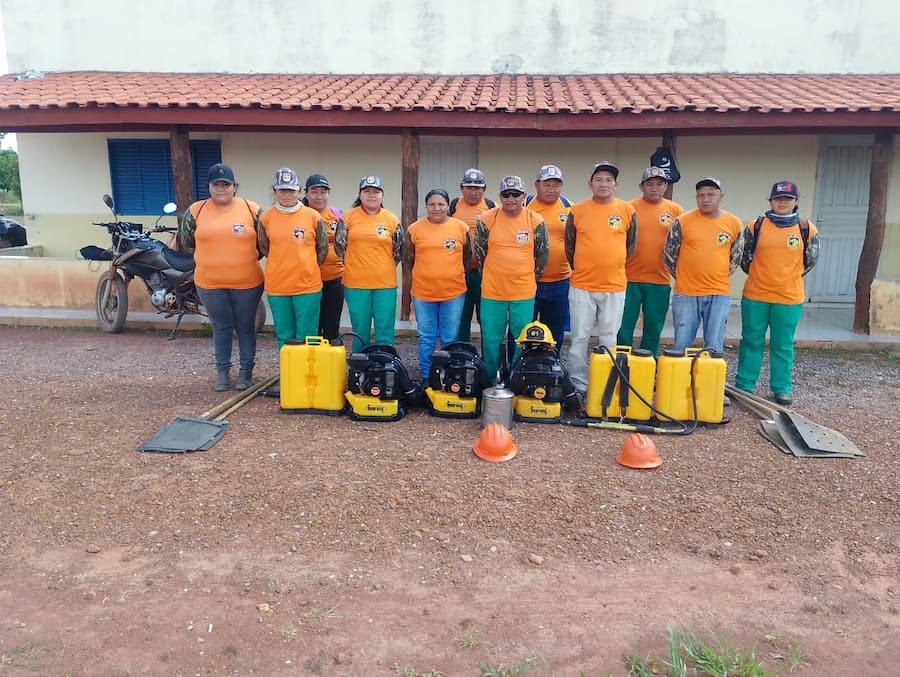
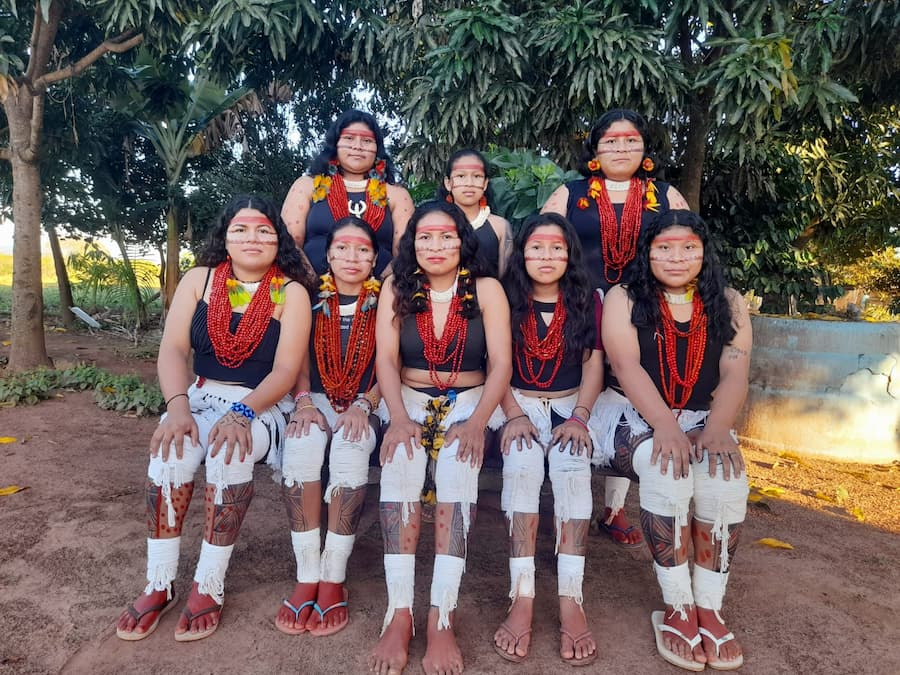
In the Bakairi territory, the initiative took on a distinctive character: of the 45 trained volunteers who completed the Basic Course in Urban Burning and Wildfire Management, 25 were women. They became indigenous firefighters and began combining technical expertise with ancestral knowledge to protect their territory and reduce the damage caused by fire.
In an interview with Coluna da Neuza, Colonel Paulo Selva discussed the creation of GOA, the formation of the fire brigades, the challenges faced by the communities, and the importance of women’s leadership in protecting Indigenous territories.
Coluna da Neuza: How did the Environmental Operations Group (GOA) come about?
Paulo Selva: The idea arose from the realization that the official system cannot reach every region requiring a rapid response. More than 45% of wildfires occur outside areas directly served by the Fire Department.
The decisive event was the 2018 fire in the Santana Indigenous Territory. The community was left virtually without assistance while waiting for authorization from Funai, Brazil’s National Foundation of Indigenous Peoples, the federal agency responsible for protecting and promoting Indigenous rights, and other levels of government. That experience made it clear that the communities themselves needed to be prepared to prevent and respond to similar situations.
GOA was therefore founded with the goal of bringing free technical knowledge to places where public authorities often take a long time to arrive.
Coluna da Neuza: What are GOA’s main areas of activity today?
Paulo Selva: We work across three main areas. The first is risk management and traditional fire management, including preventive measures, the creation of firebreaks, and the responsible use of controlled-burning techniques. The next area is emergency response, with trained people working directly to combat wildfires. Lastly, we also restore affected areas by planting native species and encouraging income-generating alternatives that do not harm the environment.
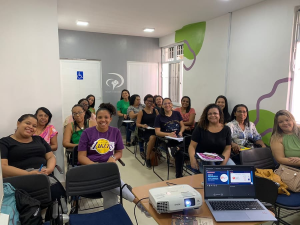
The courses cover first aid, amateur radio operation, fire prevention and firefighting, equipment use, and survival techniques, helping communities become more self-reliant.
Coluna da Neuza: How does the partnership with the Bakairi community work in practice?
Paulo Selva: This partnership emerged from a specific need. Following the 2018 fire, we began providing technical training to residents of the Santana Indigenous Territory in 2021. Most importantly, technical expertise does not replace traditional knowledge.
Instead, it was combined with what the Bakairi already knew about their territory, including fire behavior, plants, and the cycles of nature. This integration made the brigade better prepared and strengthened the community’s autonomy.
Coluna da Neuza: What role do women play in this volunteer fire brigade?
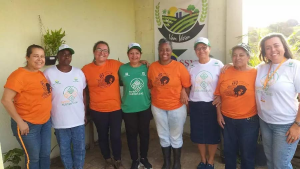
Marcio Paulo: Women’s leadership was one of the project’s greatest surprises and one of its greatest strengths. Those who completed the training included teenagers and women of different ages, including women in their 40s and 50s.
They challenge the notion that firefighting is an exclusively male activity and turn difficult experiences into opportunities for learning. After the fire, food crops were replanted in household gardens, helping protect the soil and provide sustenance.
Coluna da Neuza: What have been the brigade’s main achievements?
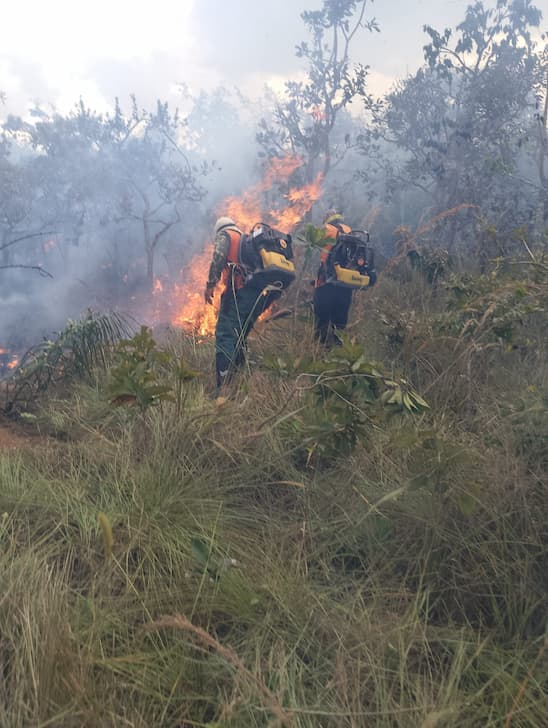
Paulo Selva: The most important result is the protection of the territory. The Santana Indigenous Territory has not recorded a major wildfire in four years. When small outbreaks occur, the brigade can respond quickly before the fire spreads.
This outcome demonstrates the importance of preparing those who live in the territory. Instead of depending exclusively on outside assistance, the community becomes capable of taking immediate action. The brigade has also become a regional benchmark. In 2024, the volunteers left their own territory to help fight fires in the Tereza Cristina Indigenous Territory.
They have also begun receiving requests for assistance from farmers and state agencies during emergencies.
Another significant impact has been the strengthening of the community. The initiative shows that technical knowledge, organization, and ancestral knowledge can work hand in hand to protect the environment.
Coluna da Neuza: What are the greatest challenges currently faced by GOA and the firefighters?
Paulo Selva: The main challenge is the lack of funding. The work is carried out by volunteers, with no pay or permanent funding for food, transportation, or equipment.
The lack of protective equipment is particularly concerning. At one point, the brigade had only eight protective coveralls for more than 30 volunteers. Many women have to wear donated clothing and footwear, such as sneakers and flats, which do not provide the protection needed to fight a fire.
We also face challenges related to bureaucracy and the absence of public policies capable of responding quickly to these communities’ needs. Training in Indigenous territories, for example, requires authorization procedures that can take a long time.
In addition to providing training, we therefore need to create the conditions for these people to work safely.
Coluna da Neuza: In addition to fighting wildfires, what other environmental initiatives does the institute carry out?
Paulo Selva: Firefighting is only one part of our work. We also carry out forest restoration, planting native species in degraded areas, and encourage sustainable forms of production and income generation. Environmental restoration also draws on the communities’ traditional knowledge. Replanting food crops in household gardens, for example, helps protect the soil, improves food security, and preserves practices passed down through generations.
Another important area is environmental education. Courses in first aid, amateur radio operation, survival, and fire management help prepare residents for different emergency situations.
The goal is to build autonomy. Extinguishing a fire is not enough: we need to prevent fires, restore what has been lost, and develop alternatives that allow communities to continue living sustainably in their territories.
Coluna da Neuza: How can companies, partners, and society support GOA’s work?
Paulo Selva: At the moment, one of our most urgent needs is the donation of safety equipment, including protective coveralls, boots, gloves, and helmets suitable for firefighting.
We also need financial support for transportation, food, vehicle maintenance, and equipment purchases. Companies can participate through sponsorships and corporate social responsibility initiatives.
We also need supplies such as water, nonperishable food, first-aid materials, tools, fire swatters, and backpack water pumps.
Professionals can also contribute by offering training in areas such as first aid, fire management, amateur radio operation, and survival.
And there is one contribution anyone can make: helping publicize this work. The more visibility the cause receives, the greater the chances of finding partners, volunteers, and support to keep the brigades operating.
Protection rooted in the territory
The experience of the Bakairi fire brigade demonstrates how technical expertise, ancestral knowledge, and community organization can transform environmental protection.
In the Santana Indigenous Territory, residents who once depended on outside assistance now work directly to prevent and combat wildfires. Throughout this process, indigenous women have taken on a leading role.
Despite limited resources and equipment, the brigade continues to protect its territory and support other communities. GOA’s work reinforces the idea that empowering those who live in the forest is also a way of preserving it.
For more information, contact GOA through Facebook or Instagram.
Follow Lupa do Bem on Instagram, Facebook, and LinkedIn.
Coluna da Neuza is part of Lupa do Bem, a corporate social responsibility project by the communications agency Sherlock Communications.