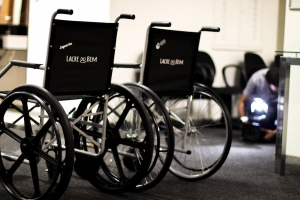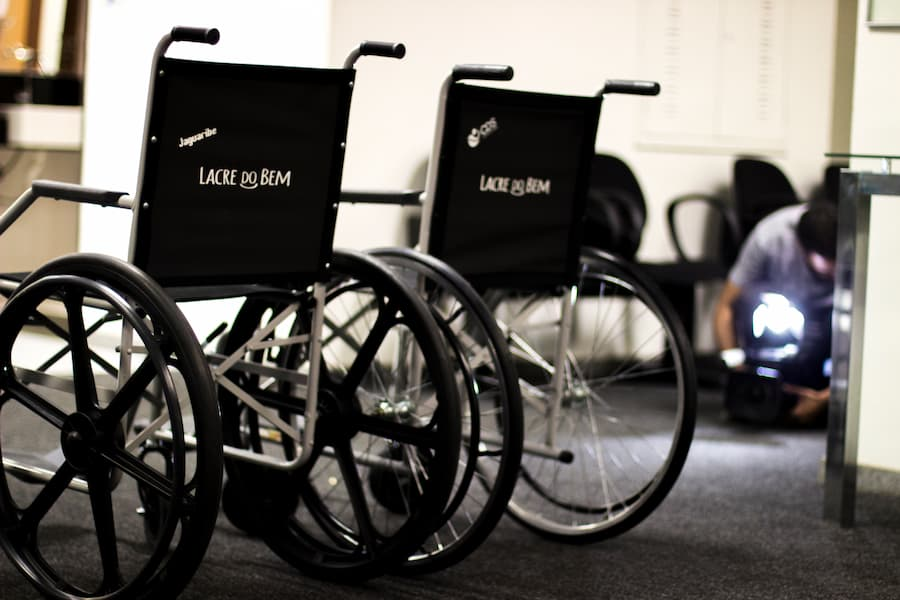
The Lacre do Bem Project began as a family initiative and has already recycled 122 tons of aluminum, which have been transformed into 1,140 wheelchairs for people in vulnerable situations, bringing together recycling, sustainability, and social inclusion
Saving a simple aluminum pull tab may seem like an insignificant gesture. But when thousands of people do the same, the result can transform lives. That is the idea behind Lacre do Bem, an initiative founded in 2013 that brings together schools, companies, communities, and volunteers around recycling, the circular economy, and solidarity.
Based in Belo Horizonte, the capital of Minas Gerais, the project has become a national reference by showing that waste can take on a new meaning. The collected aluminum is sold for recycling, and the proceeds are used to purchase wheelchairs, which are donated free of charge to people with disabilities and charitable institutions.
In this interview with Coluna da Neuza, project manager Ivete Macedo explains how an idea that began within her own family grew, overcame challenges, and became a large network for social and environmental transformation.
Coluna da Neuza: How did Lacre do Bem begin, and what motivated you to create the project?
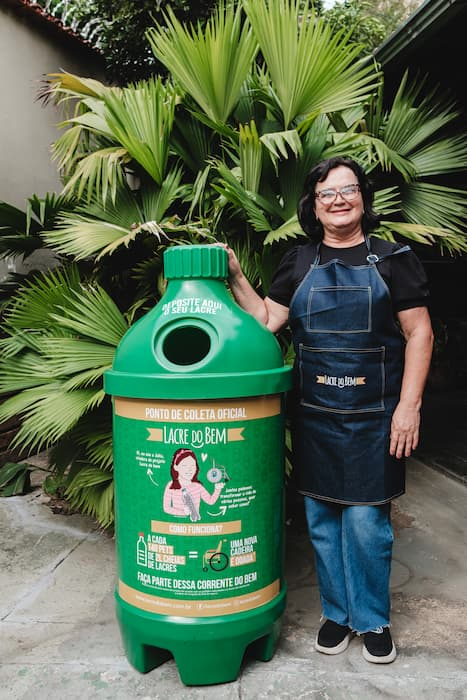
Ivete Macedo: The project began in 2013, when my family discovered that aluminum pull tabs could be recycled and the money used to purchase wheelchairs. At first, we realized it would be impossible to achieve this goal on our own. After months of collecting pull tabs, we had only half of a PET bottle, when around 140 bottles would be needed to purchase a single wheelchair.
While my parents saw the difficulty, I looked at that half-full bottle and saw the first step. I began handing out notes to my classmates and making posters to encourage others to participate. Little by little, the community embraced the idea, and we were able to donate our first wheelchair.
But I believe the story began much earlier. Since I was a child, my parents taught me to help people in vulnerable situations. Lacre do Bem is the result of those values and the belief that small gestures can lead to major transformations.
Coluna da Neuza: What is the initiative’s main goal?
Ivete Macedo: Our goal is to create human impact through environmental education, social inclusion, and improved quality of life. In addition to collecting pull tabs, we want to show that simple actions, when carried out collectively, can transform lives.
We also seek to give new meaning to the aluminum pull tab. What would otherwise be discarded comes to represent mobility, independence, and hope for those who need a wheelchair.
Another commitment is to encourage recycling. Aluminum can be reused indefinitely, reducing the extraction of natural resources and environmental impacts. In this way, every pull tab collected benefits both the environment and people who need this support.
Coluna da Neuza: In practice, how does a pull tab go from being collected to becoming a wheelchair?
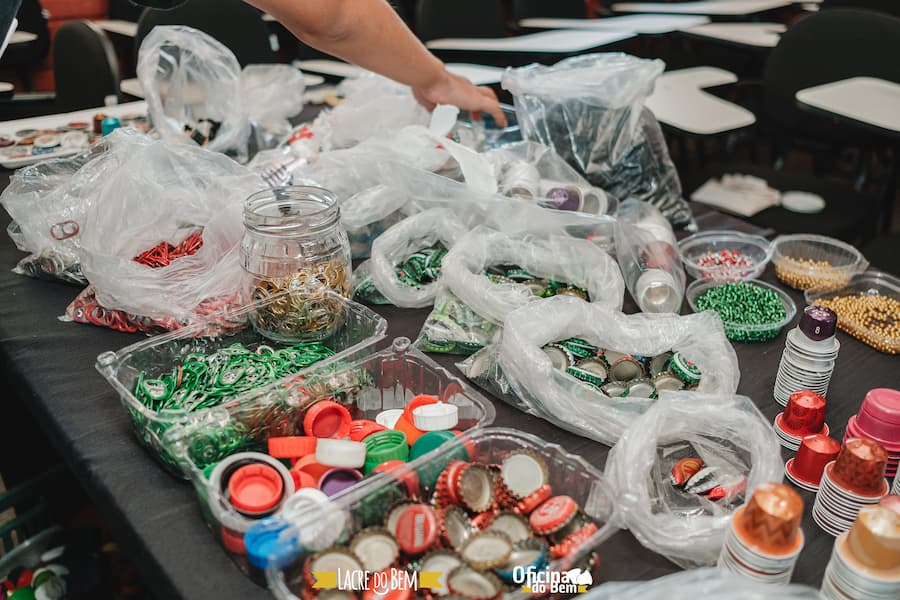
Ivete Macedo: It all starts when someone decides to save a pull tab instead of throwing it away. They are collected at schools, companies, businesses, and other partner locations. We then sort the material and store the pull tabs until we have collected more than one ton.
The aluminum is then sold to the recycling industry, and all the proceeds are used to purchase wheelchairs, which are donated free of charge to people with physical disabilities and charitable institutions.
But the impact goes far beyond the wheelchair itself. It represents independence, dignity, inclusion, and the opportunity to study, work, move around the city, and live with greater autonomy. This is how such a small object can become a source of hope and positive change for many families.
Coluna da Neuza: How many pull tabs have been recycled so far?
Ivete Macedo: We have recycled 122 tons of aluminum pull tabs and donated 1,140 wheelchairs.
Coluna da Neuza: How do you mobilize schools, companies, communities, and volunteers to become part of this solidarity network?
Ivete Macedo: Society’s participation is what makes Lacre do Bem possible, which is why we engage schools, companies, communities, and volunteers through talks, awareness campaigns, social media, and partnerships with organizations that believe in our cause.
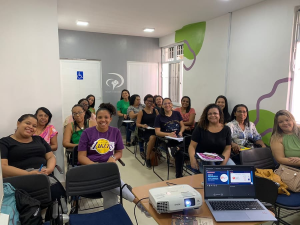
Schools play a fundamental role because, in addition to collecting pull tabs, they help educate children and young people to become more aware of sustainability and solidarity. Companies, meanwhile, contribute by providing collection points and encouraging their employees to participate.
We believe that anyone can be part of this chain of solidarity. The amount of pull tabs collected doesn’t matter. The impact comes from the sum of small gestures.
Coluna da Neuza: Beyond its social impact, the project also contributes to sustainability and the circular economy. How do you see this relationship?
Ivete Macedo: Sustainability is one of the pillars of the project. Lacre do Bem demonstrates, in practice, how the circular economy can transform waste into a valuable resource.
Instead of being discarded, the pull tabs return to the production chain through recycling and generate the funds needed to purchase wheelchairs. Since aluminum can be recycled indefinitely, this also helps reduce energy consumption, the extraction of raw materials, and the environmental impacts caused by mining.
In this way, a simple gesture benefits both the environment and people who need greater mobility and quality of life.
Coluna da Neuza: What have been the biggest challenges you have faced since the project was created?
Ivete Macedo: One of the main challenges is maintaining the project without permanent financial support. Many costs, such as transportation to collect donations, deliver wheelchairs, and participate in social initiatives, are still covered by the team itself.
Another challenge is the limited number of volunteers, who have to balance their work with their personal and professional responsibilities.
Even so, we continue moving forward thanks to the support of our family, partners, and everyone who believes in our mission. Every new volunteer, collection point, or partner company strengthens this network and helps us expand our social impact.
Coluna da Neuza: What achievements have been the most significant milestones in Lacre do Bem‘s journey?
Ivete Macedo: Every wheelchair we deliver represents an achievement. But reaching the milestone of 1,000 donated wheelchairs, in 2024, was a particularly special moment. It confirmed that an idea that began when I was still a child had grown into a movement capable of mobilizing thousands of people.
We also celebrate our registration with the Conselho Municipal de Assistência Social – CMAS (Municipal Council for Social Assistance), which strengthened the project institutionally, as well as the Bom Exemplo Award, received in 2014, and the interview I gave to Luciano Huck in 2016, which greatly increased the initiative’s visibility.
Another milestone was the 2017 publication of the book Julia do Lacre do Bem, created to inspire children and young people to realize that small actions can transform lives.
But above all forms of recognition, we value every partner, school, company, volunteer, and citizen who decided to save a simple pull tab. The project exists because it was built collectively.
Coluna da Neuza: Who are the people who benefit from Lacre do Bem, and which stories have had the greatest impact on the initiative’s journey?
Ivete Macedo: Lacre do Bem benefits people with disabilities and older adults in situations of social vulnerability, including those who have suffered strokes, amputations, traffic accidents, complications from diabetes, dementia, and other conditions that affect mobility.
Every wheelchair we deliver represents a story of overcoming adversity. One of the most memorable involved an amputee groom from Espírito Santo who dreamed of walking into the church with dignity on his wedding day.
We mobilized our network of partners and managed to deliver the wheelchair in time for the ceremony. Seeing that dream come true was one of the most emotional moments in our journey.
We are also deeply moved by requests from people undergoing cancer treatment who have lost their mobility but want to continue enjoying special moments with their families, such as going to medical appointments, taking a walk, or simply leaving the house. When we are able to fulfill these requests, we know that our mission is being accomplished.
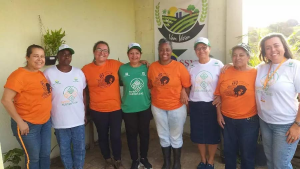
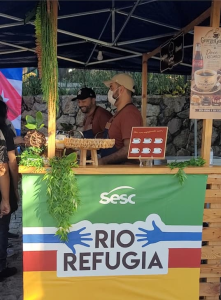
In addition to donating wheelchairs, the project carries out other initiatives aimed at strengthening the community. In partnership with Mesa Brasil SESC, it supports 120 families in situations of vulnerability every week with solidarity food packages and provides basic food baskets every month. It also offers art, painting, handicraft using recycled materials, and sewing courses, encouraging entrepreneurship and giving new meaning to materials that would otherwise be discarded.
A small gesture that inspires and creates lasting change
Over more than a decade, Lacre do Bem has shown that solidarity, sustainability, and collective participation can transform lives. More than simply recycling aluminum, the project also promotes inclusion, strengthens communities, and brings hope to those who need it most.
Stories like these show that major changes can also begin with small gestures. When everyone does their part, the collective impact can be far greater than we imagine.
Like this initiative? Support it by donating here.
Find Lacre collection points.
Follow Lacre do Bem on Instagram, LinkedIn, and Facebook.
More information is available on the website.
Purchase the Julia do Lacre do Bem book and help support the project.