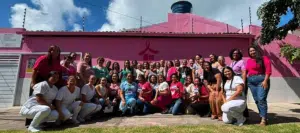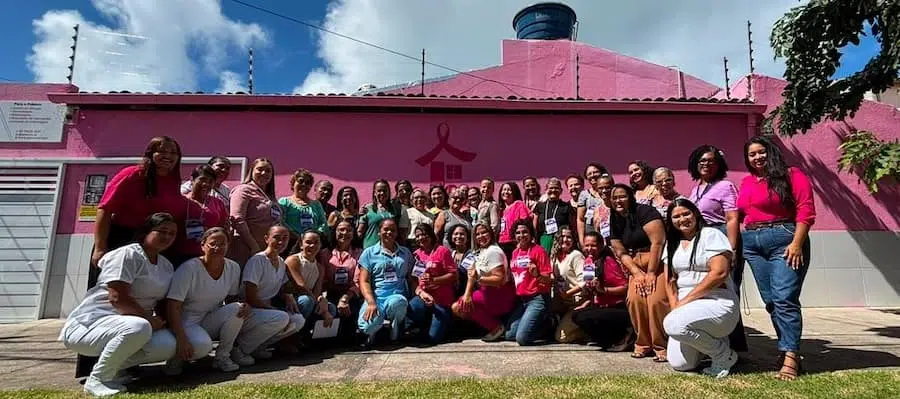
Known as Casa Rosa, the organization in Maceió provides multidisciplinary care, prevention initiatives, and programs focused on patients’ quality of life
Founded in 2012 in Maceió, Alagoas, the Association for People with Cancer (APECAN), known as Casa Rosa, provides support, guidance, and multidisciplinary care to people with cancer. The organization also promotes prevention and early diagnosis initiatives, as well as programs focused on the quality of life and independence of people undergoing cancer treatment.
Located in the Jaraguá neighborhood of the state capital, the organization was established to expand support for people diagnosed with the disease, particularly those facing social, financial, and emotional challenges.
According to the Brazilian National Cancer Institute (INCA), Brazil is expected to record approximately 781,000 new cancer cases per year between 2026 and 2028. In Alagoas, an estimated 7,930 new cases are expected in 2026, including 2,530 in Maceió. These figures include cases of non-melanoma skin cancer.
This situation highlights the importance of prevention, early diagnosis, and access to healthcare services, as well as support for people facing the challenges of treatment.
Casa Rosa is led by Giullyane Matos, an oncology physiotherapist and hospital manager. The organization provides support and follow-up care to people with cancer, particularly those experiencing social vulnerability.
To learn more about the organization’s history, the services it offers, and the challenges it faces, Neuza’s Column spoke with Giullyane Matos. Read the interview below.
Neuza’s Column: What does leading Casa Rosa mean to you?
Giullyane Matos: Leading the association means much more than holding a position. It is a mission, a purpose, and an enormous responsibility, because every day we meet people who come to us during one of the most difficult moments of their lives, following a cancer diagnosis.
Neuza’s Column: How was the Association for People with Cancer founded?
Giullyane Matos: The organization was founded in 2012 by psychologist Tereza Nelma da Silva Porto Viana, after she heard accounts from women who had undergone mastectomies and were facing interruptions in their treatment and a lack of a dedicated space for support and care. The goal was to provide more compassionate, comprehensive care, where people could find assistance, information, and support throughout treatment.
Neuza’s Column: What does Casa Rosa represent today for the people it serves?
Giullyane Matos: Over the years, we have grown and gained a better understanding of the needs of patients and their families. Today, Casa Rosa is a place that not only welcomes people but also provides care, guidance, and hope. Our purpose is to ensure that no one faces this disease alone. It is a place where people arrive knowing they will find someone willing to listen, guide, and help them.
Neuza’s Column: Who is eligible to receive care at the organization?
Giullyane Matos: We assist cancer patients, especially those facing social, financial, and emotional difficulties or barriers to accessing healthcare services. Our work serves people of different ages and social backgrounds. We also welcome people who contact us on their own initiative to seek preventive screenings and medical appointments.
Neuza’s Column: What are the main needs of the people you serve?
Giullyane Matos: There are many. There is a significant lack of information, guidance, healthcare, psychological and social support, physiotherapy, nutrition services, and even basic items to help people through this difficult time. Sometimes, what a person needs most is someone who will say, “You are not alone. We will walk this path with you.”
It is also important to remember that most of the people we serve are in vulnerable social circumstances. Whenever we receive donations of food baskets, we distribute them among our patients.
Neuza’s Column: How does follow-up care work during treatment?
Giullyane Matos: We seek to provide multidisciplinary care, with professionals in oncology physiotherapy, nursing, nutrition, social work, psychology, and other areas of healthcare and health promotion. We also refer patients to other services within the healthcare network when we identify additional needs. Our goal is to care for the whole person, not just the disease.
Neuza’s Column: What is the purpose of the Casa Rosa Itinerante program?
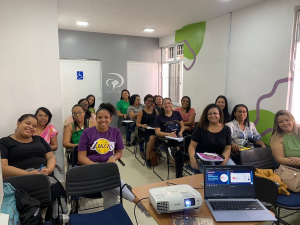
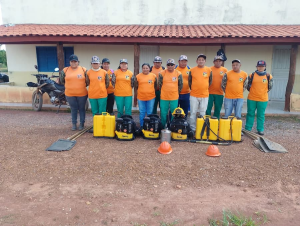
Giullyane Matos: The initiative was created to bring information, prevention, and support closer to the community. We know that many people cannot reach a healthcare institution. So, if they cannot come to us, we go to them. We organize educational activities, provide guidance on prevention and early diagnosis, conduct cytopathological screening tests, and refer people for mammograms, while also sharing information with different communities.
Activities are organized according to the needs identified in each community.
Neuza’s Column: What positive results have you seen from this initiative?
Giullyane Matos: The most important result is seeing that we can identify people’s needs and help connect them with healthcare services. Information received at the right time can contribute to an early diagnosis and a better prognosis.
Neuza’s Column: How did the Ela Pode project come about?
Giullyane Matos: The project was carried out in partnership with the Ministry of Women, with the aim of strengthening the self-esteem and independence of women undergoing treatment. This process has a significant impact on self-esteem and identity. It is not just the body that changes. Many women stop recognizing themselves, lose their self-confidence, and go through challenging times.
Neuza’s Column: What activities were developed as part of the project?
Giullyane Matos: Through activities and training sessions, we sought to promote independence, self-care, and new opportunities so that these women could feel confident, productive, and in control of their own lives again.
Neuza’s Column: How do home visits work?
Giullyane Matos: Home visits are a way of bringing care to people who cannot come to the organization. When we identify a patient with mobility difficulties or someone who needs closer follow-up, we try to arrange a visit to understand the family’s circumstances and assess their needs.
Being in the person’s home allows us to identify situations that may not become apparent during an outpatient appointment. However, it is important to clarify that we do not provide treatment at home.
Neuza’s Column: What is the biggest challenge facing Casa Rosa today?
Giullyane Matos: Without a doubt, one of our greatest challenges is financial sustainability. Maintaining an organization like ours requires resources to pay professionals, purchase materials, medications, and supplies, maintain our facilities, cover transportation costs, and meet other daily expenses.
We cannot—and do not want to—stop, because we know how much people depend on these services. That is why we need to strengthen partnerships with companies, public authorities, volunteers, and society as a whole.
Neuza’s Column: How can individuals and companies support the organization’s work?
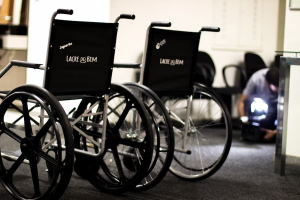
Giullyane Matos: There are several ways to help. Financial contributions are important, but they are not the only option. Companies can establish partnerships and donate materials, equipment, or services. Individuals can make donations, participate in campaigns, share information about our work, and help mobilize others. Volunteering is also essential.
Sometimes, what may seem like a small gesture to the person offering it means a great deal to someone going through a difficult time. I always say that no one needs to do everything, but everyone can do something.
The importance of continuing to support people with cancer
Throughout its history, Casa Rosa has provided thousands of services, bringing together healthcare, social assistance, and initiatives tailored to the needs of people with cancer and their families.
For Giullyane, every person who receives support reinforces the importance of continuing this work. She believes that collective action is essential to ensuring care and dignity for those facing the disease.
Her hope is that everyone who receives support at Casa Rosa finds the courage and encouragement to keep moving forward.
Follow Casa Rosa’s work, like its posts, and share its mission on the organization’s Instagram account.
For more information, visit the organization’s website.
Interested in volunteering? Find out how here.
Neuza’s Column is part of Lupa do Bem, the Corporate Social Responsibility (CSR) project of communications agency Sherlock Communications.