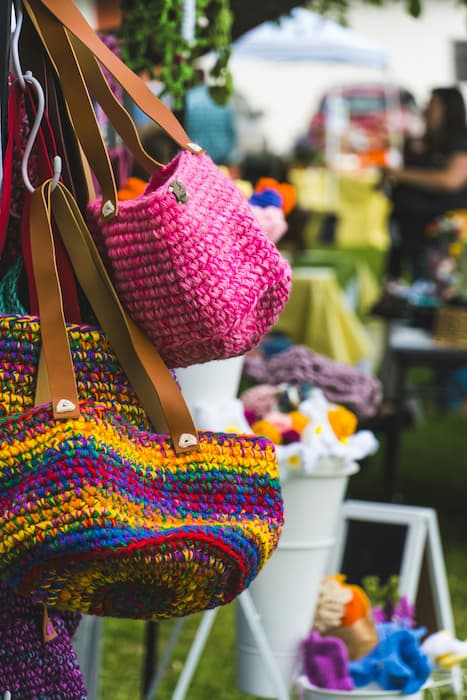
A collaborative store located in a shopping center in São Paulo brings together women-led artisan businesses from different sectors, helping strengthen income generation while offering exclusive handmade products and artisanal treats
During a visit to São Paulo, I came across an initiative that deserves recognition. Located at Shopping Metrô Santa Cruz, a subway located inside a shopping mall in the Vila Mariana neighborhood, the Espaço Colaborativo (Collaborative Space) brings together six women artisans who have found in female craftsmanship and the collaborative economy a way to strengthen their businesses, increase the visibility of their brands, and generate income.
I spoke with Adriana, a 53-year-old artisan specializing in crochet, handbags, mandalas, and accessories, who explained in an interview how the project works and the benefits of the collaborative model.
Neuza’s Column: What is Espaço Colaborativo?
Adriana: It is a collaborative store formed by a group of artisans in partnership with a project developed by Shopping Metrô Santa Cruz. The goal is to provide a dedicated space for handicrafts. The shopping center provides the location, and we pay 5% of our sales revenue. We do not pay rent.
Neuza’s Column: And how does it work?
Adriana: The store operates from 10 a.m. to 10 p.m. Since it would be very difficult for each of us to cover those hours every day, we created a rotating schedule. Currently, there are six women participating in the project.
Neuza’s Column: Are all the artisans present at the store on a daily basis?
Adriana: No, we work on a rotating schedule. Each day, two women are responsible for the store. One opens in the morning, and the other arrives later and handles closing. This system operates seven days a week.
Neuza’s Column: How do sales work?
Adriana: Each artisan has her own card reader, and all products are identified with labels. When a sale is made, the payment is processed directly through the card reader belonging to the owner of that particular item. At the end of the day, we share sales information in a WhatsApp group to keep track of all operations.
Neuza’s Column: Is the profit shared among the group?
Adriana: No. Each artisan receives payment exclusively for the products she sells. The system ensures complete transparency and autonomy for everyone.
Neuza’s Column: How is the payment to the shopping center handled?
Adriana: Through a contract. Every month, the shopping center conducts an audit, reviewing the sales recorded on each artisan’s card reader. At the end of the month, an invoice is issued for the agreed percentage.
Neuza’s Column: Is there competition among the artisans?
Adriana: No. There are six of us, and each artisan works with a different technique, niche, and product line. It is not allowed for two artisans to sell the same or very similar products within the space.
Neuza’s Column: What are the main products sold, and who makes them?
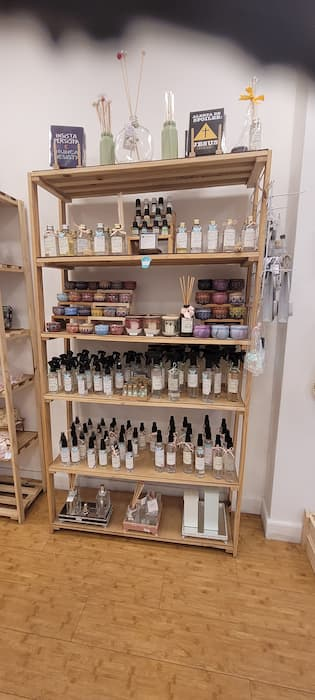
Adriana: Fabiana makes bolo de rolo and some accessories; Silmara works with creative sewing; Nádima produces home fragrances and candles; Elaine creates woodworking pieces and stone crafts; and Danieli makes amigurumi dolls. Everything is handcrafted using natural methods and materials.
Neuza’s Column: How is the store presented to customers?
Adriana: When customers enter, we explain that this is a collaborative space created by women entrepreneurs and artisans. Each shelf showcases different types of handcrafted products. We also explain that sales are recorded individually, ensuring that the proceeds go directly to the artisan who made each item.
Neuza’s Column: How important is this collaborative model for the artisans?
Adriana: It empowers the women involved in the project. In addition to promoting handicrafts and bringing customers closer to the artisans themselves, it creates opportunities for income generation. For most of the participants, this is their family’s primary source of income. For others, it provides an important supplement to their household budget.
Neuza’s Column: How do you view the success achieved by the store?
Adriana: The success is evident in the project’s own journey. The original plan was to remain in the shopping center for only 20 days, but we have now been here for two years. That demonstrates the value of the initiative for the artisans, the shopping center, and the customers alike.
Neuza’s Column: What are the most important reasons for people to buy handcrafted products instead of mass-produced goods?
Adriana: Handcrafted products carry the artisan’s energy, creativity, and the care invested in every piece. They have their own identity and value. In addition, they are durable. Nowadays, many products have a short lifespan, but handcrafted items are different.
A handmade piece can stay with someone for many years, preserving both its beauty and its story. It is not mass-produced, nor is it designed to be quickly discarded. It is created by hand, with dedication, and it reflects the value of the person who made it.
Neuza’s Column: What is the difference between the food products sold here and industrially produced ones?
Adriana: Our food products have the advantage of being more natural. Unlike industrially produced goods, they contain fewer preservatives, or none at all. It is true that their shelf life is shorter, usually between 15 and 20 days, depending on the product. But that is one of the characteristics of artisanal production: the food is made more slowly, with greater care, less processing, and in a way that is closer to its natural state.
Neuza’s Column: What does the shopping center gain from this partnership, beyond the 5% commission?
Adriana: By providing a space that might otherwise remain vacant, the shopping center helps strengthen female entrepreneurship, the creative economy, and the appreciation of artisanal work.
In return, the shopping center brings life to an area that would otherwise sit empty while awaiting a tenant. This makes the environment more welcoming, attractive, and enjoyable for customers. A functioning space conveys activity and vitality, enhances the visitor experience, and contributes to a more dynamic retail environment. It is a partnership that benefits everyone involved.
Visit the Space
If you appreciate women-led craftsmanship, value collaborative economy initiatives, and enjoy purchasing unique products, the collaborative store at Shopping Metrô Santa Cruz is well worth a visit. Located on the PP level in Vila Mariana, São Paulo, the store offers a distinctive shopping experience.
In addition to finding one-of-a-kind pieces, high-quality handcrafted products, and irresistible artisanal treats, you will be supporting the work and income generation of women who transform talent, creativity, and dedication into opportunity.
Enjoyed this content?
Follow Lupa do Bem on Instagram, Facebook and LinkedIn.
Neuza’s Column is part of Lupa do Bem, the Corporate Social Responsibility (CSR) project of the communications agency Sherlock Communications.