While celebrating the World Cup with creativity and a strong sense of belonging, communities are also calling for the billions invested in major sporting events to translate into lasting support for social initiatives, grassroots athletes, and underserved communities
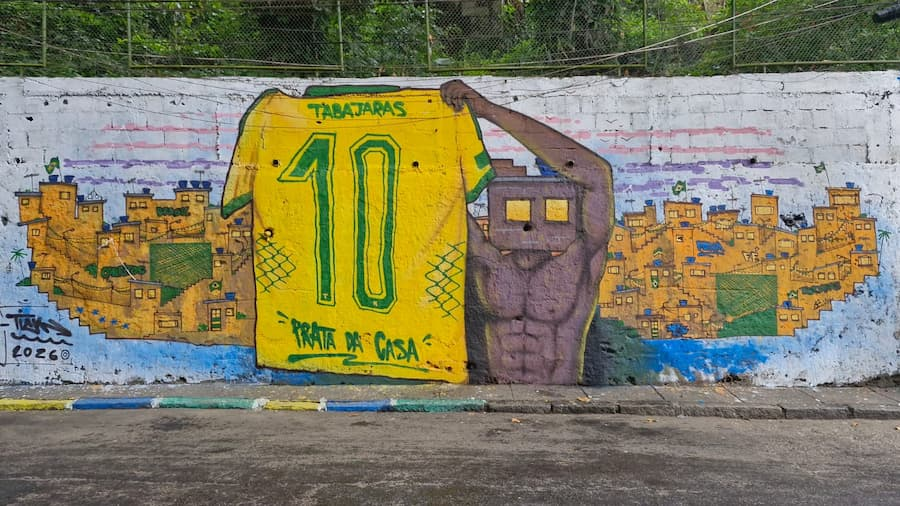
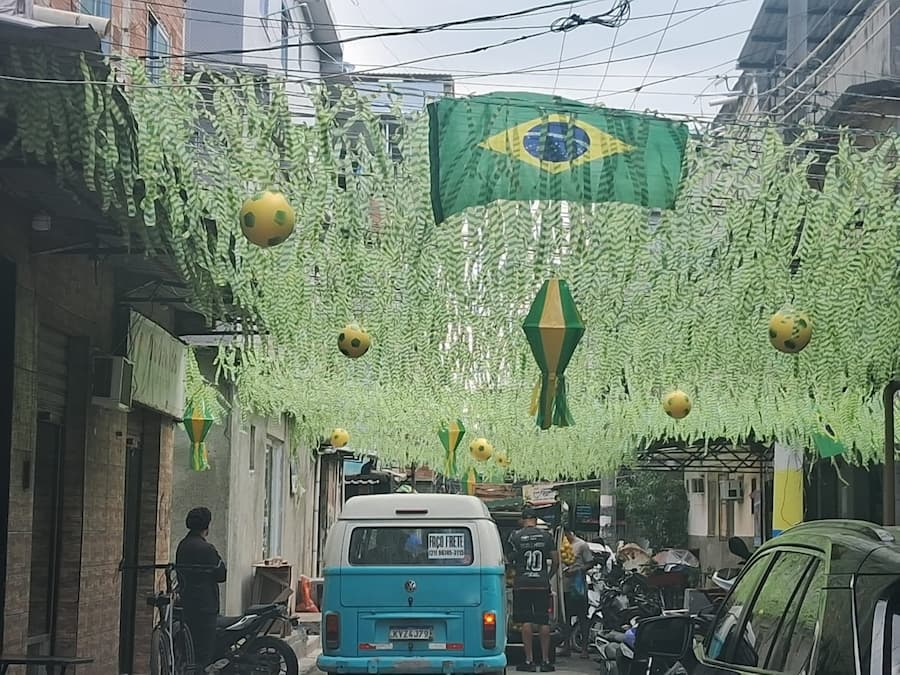
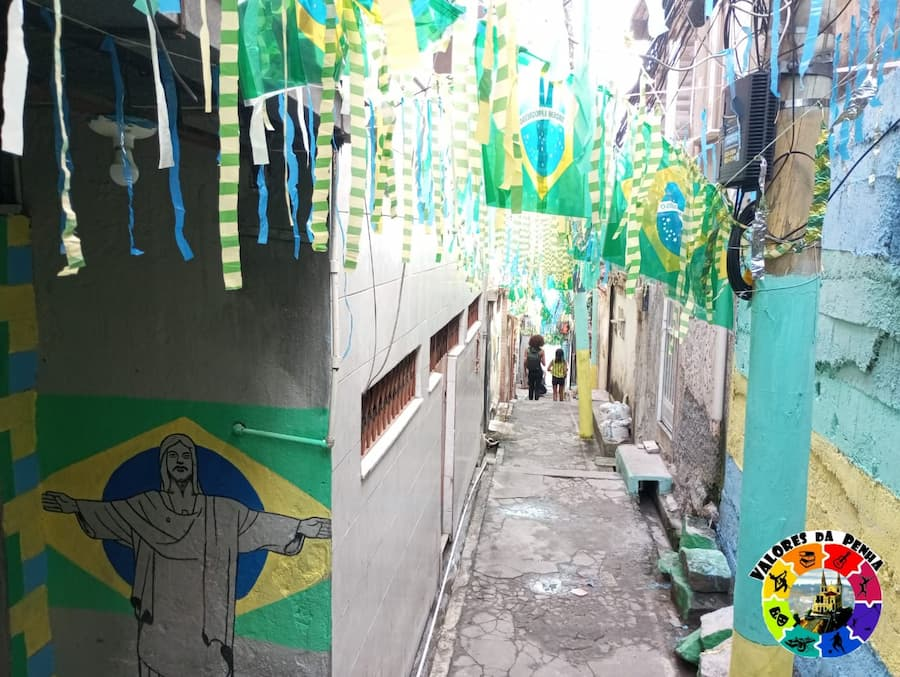
Every four years, the FIFA World Cup transforms streets, rallies fans, and reinforces Brazil’s deep passion for football. In the country’s favelas, the tournament takes on a unique character, with colorful street decorations, packed local bars, shared television screens, and neighbors coming together to celebrate.
Beyond the festivities, however, community leaders interviewed by Neuza’s Column question the lasting legacy that major sporting events leave for underserved communities. They argue that the billions invested in these global events should also support social initiatives, grassroots sports, and opportunities for children and young people.
There is broad consensus among those interviewed: football remains one of the most powerful forces for bringing people together. Across different communities in Rio de Janeiro, the World Cup continues to serve as a moment to connect, celebrate, and strengthen a shared sense of identity.
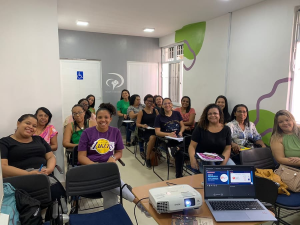
For Michele, Executive Director of the Instituto Brasileiro de Lésbicas – ABL (Brazilian Lesbian Institute), football has a unique ability to bridge social divides.
“Major sporting events hold special significance for our communities. Here in Complexo do Alemão community, in Rio de Janeiro’s North Zone, it is a tradition to paint the streets, decorate public spaces, and bring residents together. Football becomes a unifying force between people who live inside and outside the favela, creating a shared sense of belonging.”
The same sentiment is echoed by Fabiana Ferrinha, community leader of F.A.R.O Maré in Morro do Timbau, the oldest favela in the Maré Complex. According to her, the World Cup transforms everyday life in the community.
“For the past four years, I have observed how residents interact during the World Cup. It is a time when people are genuinely happy, actively engage with the tournament, and reclaim community spaces as places of celebration.”
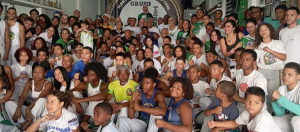
At the Biblioteca Comunitária Conceição Maria Lopes (Conceição Maria Lopes Community Library), founder Dilson Lopes highlights the role children and young people play in creating the festive atmosphere.
“In our community, the World Cup brought a sense of joy and collective engagement. The streets were decorated with flags made by the children and young people themselves, and the walls of homes were painted as part of the celebration.”
Not everyone interviewed, however, sees these communities as mere spectators. Paulinho Ula, a resident of the Morro da Serrinha community, in Rio de Janeiro’s North Zone, and First Secretary of Instituto Os Sobreviventes, believes that increased access to the internet, television, and other forms of media has increased communities’ participation in major sporting events.
“The World Cup reaches everyone and undoubtedly energizes the community. Today, with access to the internet, electricity, and the media, many more people are able to follow the matches and be part of the experience. In the past, things were very different. Now, the tournament reaches virtually every resident and even has an impact on the local economy.”
Despite the excitement, most community leaders say that their participation is largely limited to being spectators.
Arthur Lucena, founder of the Valores da Penha (Brazilian community-driven digital platform that highlights local stories, businesses, culture, and initiatives in the Penha neighborhood of Rio de Janeiro), who describes himself as a “Favela Journalist,” recalls that Brazil’s hosting of the 2014 FIFA World Cup brought long-standing inequalities into sharp focus.
“The World Cup brings the entire country together, but communities do not always feel included. While stadiums received massive investments and were upgraded to meet FIFA standards, many residents continued to face persistent challenges in education, healthcare, and public safety.”
Cassius Clay, coordinator of the Pré-Vestibular Bom Pastor, a college entrance exam prep course in the municipality of Belford Roxo, in the Baixada Fluminense region, shares a similar view.
“Communities experience the World Cup from the sidelines. It is an event that provides entertainment, but generates little or no direct social impact for the majority of the population.”
For capoeira instructor Professor Lobo, founder of the Educar para Transformar (“Educate to Transform”) capoeira project, the gap between major sporting events and the reality of underserved communities is even more evident.
“World Cup matches do not bring concrete changes to my community. In practice, all we do is watch the games.”
A more meaningful legacy
While the celebration is shared, the investments are not. When asked what kind of legacy they would like to see from major sporting events, community leaders offered different perspectives, but all pointed to the same overarching demand: sustained investment in their communities.
Leandro, a volunteer with the Frente Cavalcanti collective (a grassroots community collective in Rio de Janeiro that combats food insecurity while promoting local culture, education, and community development through social initiatives), believes that any meaningful legacy must be built within the communities themselves.
“Once the spotlight fades, the same challenges remain: underfunded social projects, talented young people without support, and sports facilities that lack adequate infrastructure. The most meaningful legacy would be sustained investment in our communities.”
The same demand is echoed by Cássio, founder of the Amazônia Digital project, who advocates for investment in and the revitalization of public sports facilities.
“If I could choose one legacy, it would be investment in and the revitalization of public spaces dedicated to sports. Sport brings together education, well-being, and social interaction, while also fueling the dreams of children and young people striving for a better future.”
Paulinho Ula believes this legacy should include strengthening the sports programs that already exist within communities.
“The greatest legacy the World Cup could leave would be stronger support for community sports initiatives. Sport has the power to transform lives, but that support should not be limited to football. It is equally important to invest in basketball, volleyball, and other sports, giving children and young people positive role models within their own communities.”
According to him, many community organizations are already doing meaningful work but need greater support to expand their reach.
“Many organizations need sports equipment, infrastructure improvements, and funding to expand their activities. With the right support, they can reach even more people and create lasting positive impact.”
For Fabiana Ferrinha, even small improvements would make a meaningful difference in residents’ daily lives.
“As a legacy, I would like to see the street decorations around our social projects preserved after the World Cup. That would be extremely important for the community.”
In Dilson Lopes’ view, even basic needs remain unmet.
“We would like to have our streets painted, but our community still doesn’t have paved roads.”
These testimonies reveal a recurring perception among those working directly in these communities: while billions are invested in stadiums, temporary infrastructure, and large-scale operations tied to mega sporting events, the projects that work every day with children and young people continue to struggle for the resources they need to survive.
Football that changes lives
Although there is criticism of how investments are distributed, there is also near-unanimous recognition of sport’s transformative potential.
In communities shaped by social inequality, football is seen as a powerful tool for education, protection, and creating opportunities for a better future.
“I believe sport has the power to transform lives. Many of the players competing at the highest levels today began their journey in youth programs connected to community projects,” says Dilson Lopes.
Leandro shares the same perspective. “Football is more than just a sport; it serves as a safety net, teaching discipline, respect, and coexistence while helping young people pursue their dreams.”
For Aldo Moraes, founder of the Batuque na Caixa (a Brazilian initiative that provides arts education and cultural opportunities for children and young people), football has a unique ability to engage people in a way few other activities can.
“Football has an extraordinary ability to attract children, teenagers, and young people. It inspires dreams, builds self-esteem, and can serve as a gateway to sports, continued education, and the development of new life opportunities.”
The experience of those working directly with community initiatives reinforces this view.
After nearly a decade documenting stories in the favelas of Penha, the Favela Journalist has witnessed numerous sports initiatives and seen firsthand the impact they have on local communities.
“Sports courts and football fields become places of connection, belonging, and hope for children and young people. Sport creates opportunities, strengthens community ties, and helps build new paths for the future.”
However, the conversation extends beyond men’s football. Michele highlights the gender inequality that still exists in sports and stresses the need to create more opportunities for girls.
“Football doesn’t just transform lives, it saves lives. But there is still significant inequality when it comes to who has access to these opportunities. Investment is overwhelmingly directed toward boys.”
According to her, discussing football’s legacy also means discussing inclusion and equal access for all children and adolescents.
What could be done with just a small share of these resources?
Major sporting events generate billions in investment. With that in mind, those interviewed were asked to imagine the impact of directing just a small fraction of those resources to social projects in underserved communities.
The response was almost unanimous: the transformation would be immediate.
Cassius believes that even a modest share of the funds invested in these events could help foster a global culture of solidarity.
“Even a small portion of the resources invested in these events would be enough to bring about meaningful change in our communities.”
For Aldo, the results would be easy to measure.
“With relatively modest investments, it would be possible to serve thousands of children and young people through cultural, sports, and educational activities, while also promoting citizenship, inclusion, and stronger communities.”
Leandro emphasizes that this is not about charity.
“This is not a matter of charity, but of strategic investment. Our communities already produce talent, culture, and potential. What is missing is support.”
Michele also points to an imbalance in the way funding is distributed within the nonprofit sector.
“Many grassroots community organizations survive on donations and the personal efforts of their coordinators, even as they help develop future athletes and community leaders.”
For Cássio, founder of Amazônia Digital (a Brazilian nonprofit initiative that promotes digital inclusion, technology education, and innovation opportunities for underserved communities in the Amazon region), the benefits would extend far beyond physical infrastructure.
“In addition to improving spaces for recreation, sports, and education, these investments would strengthen people’s sense of belonging, appreciation for their communities, and local pride.”
Professor Lobo summarizes the issue simply.
“If part of that money were directed to social projects serving people in vulnerable situations, the impact on communities would be extremely positive.”
Much more than a month of competition
Although opinions differ on the tangible benefits of the FIFA World Cup, community leaders agree on one essential point: football remains a powerful tool for social transformation.
What they are calling for is not the end of major sporting events, but a fairer distribution of the benefits they generate.
As millions of Brazilians watch the matches, collect stickers, and decorate their streets in support of the national team, communities across the country continue to demonstrate that their passion for football is very much alive.
The challenge, according to those working in these communities, is to ensure that this passion is matched by lasting investment, investment capable of strengthening social projects, expanding opportunities, and ensuring that the World Cup’s legacy endures long after the final whistle.
Meet the 10 community organizations that contributed to this article and learn more about their work through their social media channels using the links below:
Instituto Brasileiro de Lésbicas;
Biblioteca Conceição Maria Lopes;
Follow Lupa do Bem on Instagram, Facebook and LinkedIn.
Neuza’s Column is part of Lupa do Bem, the Corporate Social Responsibility (CSR) initiative of the communications agency Sherlock Communications.