Photographer André François created ImageMagica, a social photography project, after realizing that his perspective on communities was different from the perspective of those who live there
André François, a photographer from São Paulo, traveled the world documenting social issues and cultures. In 1992, he visited São Thomé das Letras, in the south of Minas Gerais, to film his first documentary, focused on quarry workers. However, he also encountered the difficulties faced by local residents and sparked the curiosity of the children, who were fascinated by his camera.
“André handed the cameras to the children to entertain them, and the result was photographs that offered a very important perspective on what they did and the place they lived. At that moment, he noticed the difference between his own perspective and the perspective of those who lived there,” said Andreza Portela, coordinator of ImageMagica’s educational department.
The impact of those images surprised him, and in that moment the idea for ImageMagica was born. Founded in 1995, the organization works to expand access to culture through sociocultural and socioeducational projects.
This is also how Bumba, one of the institution’s first projects, was created. “It was a giant bus adapted so that people could drive and live in it, almost like a mobile office. It traveled through several schools and cities across the country.”
Alongside a volunteer team, André began offering pinhole photography workshops, an old and handcrafted technique in which the image needs to be developed. “Pinhole uses any object that can form a dark box, whether small or large, from a matchbox to an entire room, where a small hole allows light to enter and form the image.”
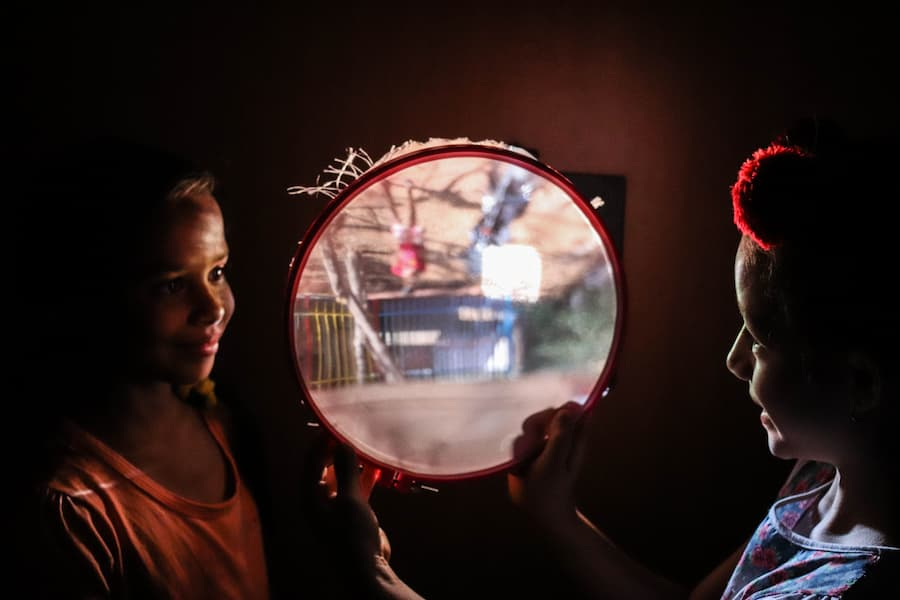
“He would bring many cans to schools and teach children how to make their own cameras and take photos. But photography was never the end goal, it was always the means,” explains Andreza.
Over time, they realized that ImageMagica was not just a photography NGO, but a social photography project that uses images as a tool to help people observe the world they live in and reflect on how they can transform it.
Understanding the world we live in is the first step to transforming it
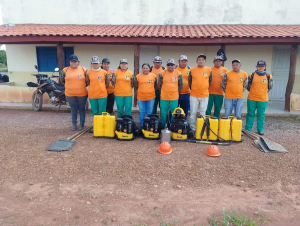
Today, the project is organized into cultural areas such as humanization, health and well-being, sustainability, and empowerment. “For example, we have a project that addresses poverty and menstrual dignity in schools, where we discuss these issues with teenagers,” explains Andreza.
“We also have a project about food culture, which revives local traditions and talks about conscious consumption, healthy eating, and the origin of food. Many people don’t know where their food comes from, so we bring nutritionists and invite the community to learn in the kitchen, preparing healthy dishes and making better use of food.”
As the institution visits schools throughout Brazil, there is careful attention to respecting the food culture of each region.
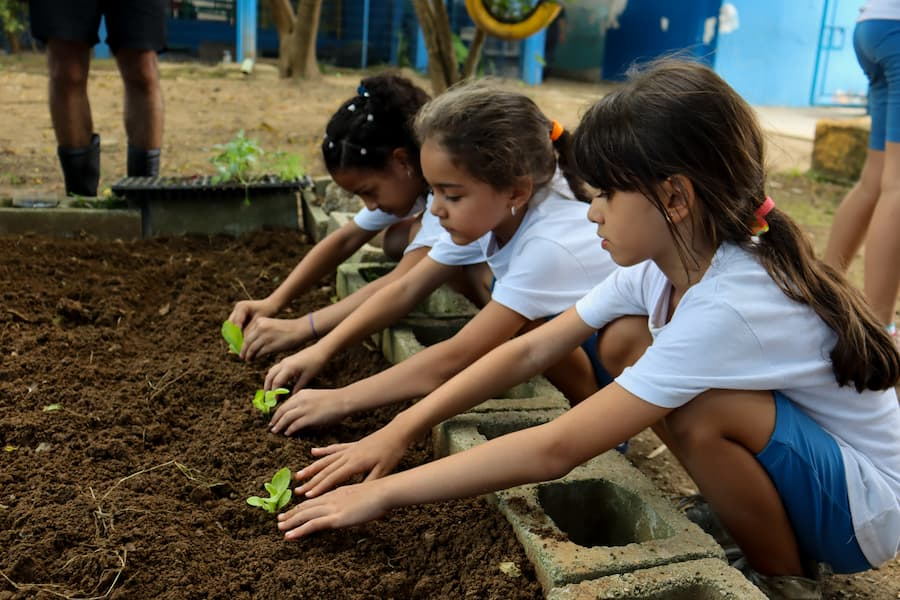
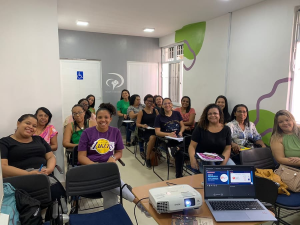
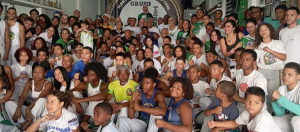
Another project developed is PhotoPower, which offers photography and entrepreneurship workshops in public schools, cultural centers, and support homes, focusing on empowerment. “The goal is to help restore dreams and encourage the ability to face life and organize the future.”
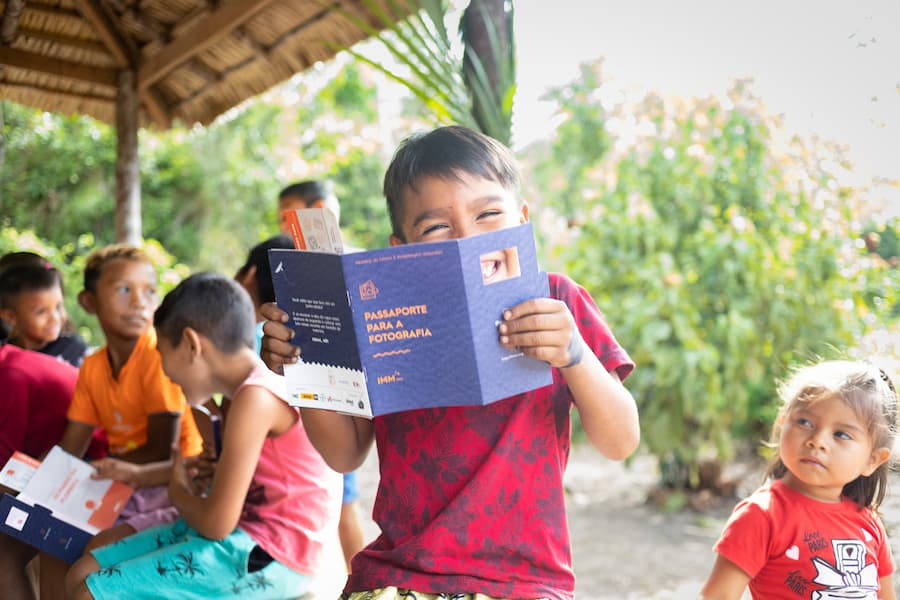
Another initiative is PhotoBoat, a boat that once a year navigates along the Arapiuns River, in Pará, bringing culture, education, and art to riverside communities through photography workshops and training programs.
“We travel along the rivers serving riverside communities and Indigenous villages. The goal is cultural empowerment, so we hire local teams, because it doesn’t make sense to talk about their culture if we are not part of it. In the end, we learn more than we teach.”
In all projects, participants are invited to reflect on a theme, take photographs, and write a caption about it.
“There are many activities designed to deepen the theme so that it can truly be absorbed, and the photo with the caption marks the closing of the process. At that moment, we practice visual communication, critical thinking, teamwork, and writing. The caption is not just informative, it expresses the participant’s perspective.”
During the workshops, psychological topics, painting, and reinterpretations of images are also explored, since every photograph is an image, but not every image is a photograph.
Andreza explains that, after the workshops, participants begin to relate differently to the places they visit every day. “We open up a space for conversation and give participants a voice, not only through photography. At the end of each meeting, we hold exhibitions featuring the photographs.”
Art education and the power of inclusion

In projects carried out in hospitals, everyone involved (professionals, patients, and companions) is invited to participate, take photographs, and receive guidance from art educators.
“If someone wants to portray care, we help them reflect on what that means for each person. It could be keeping the bed linens clean, following the correct procedures to avoid contamination… Our art educators support participants throughout this process.”
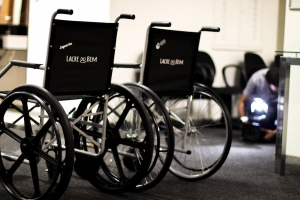
Through its diversity committee, ImageMagica seeks to make its activities increasingly inclusive and accessible, offering workshops in institutions such as Associação de Pais e Amigos dos Excepcionais – APAE (Association of Parents and Friends of People), a non-profit social organization founded in Brazil, focused on providing comprehensive care for people with intellectual and multiple disabilities.
“The activities are adapted according to the students’ needs. For example, if a participant has difficulty with motor coordination and cannot hold a phone, the art educator helps by holding their hands. We talk about what they want to photograph and adapt the process during the activity.”
ImageMagica believes that everything begins with the way we look at the world. Over its 30 years of work, the organization has been dedicated to developing a social photography project that seeks to ensure the voices of the population, especially the most vulnerable, are heard through art.
Support
ImageMagica is a Organização da Sociedade Civil – OSC (Civil Society Organization) that accepts donations from individuals and companies. It is also open to volunteers, including corporate volunteers. For more information, please get in touch through the website or social media channels: Instagram, Facebook, and LinkedIn.